PODCAST INTERVIEW
Elevating Your Personal Brand Using LinkedIn
Listen On

Firmsconsulting Podcast with Kris Safarova
Kris Safarova, founder and CEO of FIRMSconsulting, sits down with Judi Hays for an in-depth session on elevating your personal brand with LinkedIn. Judi shares how she landed her first advertising job with 150 letters and one phone call, why she built her business around LinkedIn, and the most common profile mistakes she sees, from resume-style profiles to pitch slapping.
She then reviews Kris’s own LinkedIn profile live, with practical fixes for the headline, content, connections, and company page, and closes with advice for job seekers and for consultants building a business on LinkedIn.
Episode Key Takeaways
- Make your profile a resource, not a resume: Your resume looks back; your LinkedIn profile should show how you want to be perceived and speak to your reader.
- Start with a strategy: Random engagement and a mishmash network are why people decide LinkedIn doesn’t work.
- Stop collecting connections: Download your connections, sort by company and title, and re-engage the people already in your network.
- Don’t post and ghost: Respond to comments on your posts, and start conversations on other people’s posts.
- Use the free features: A company page, three contact links, name pronunciation, Cover Story, and recent recommendations all build credibility.
- Build a daily routine: Check notifications and messages, welcome new connections, and re-engage a few people each day.
Resources
- Elevate, Expand, Engage by Judi Hays
- FIRMSconsulting, Kris Safarova’s strategy training company
Watch Now
Appearances By
Kris Safarova
Kris Safarova is a Wall Street Journal and USA Today bestselling author and the founder and CEO of FIRMSconsulting.com and StrategyTraining.com, where she produces strategy and leadership training videos, podcasts, and books. Learn more about Kris Safarova.

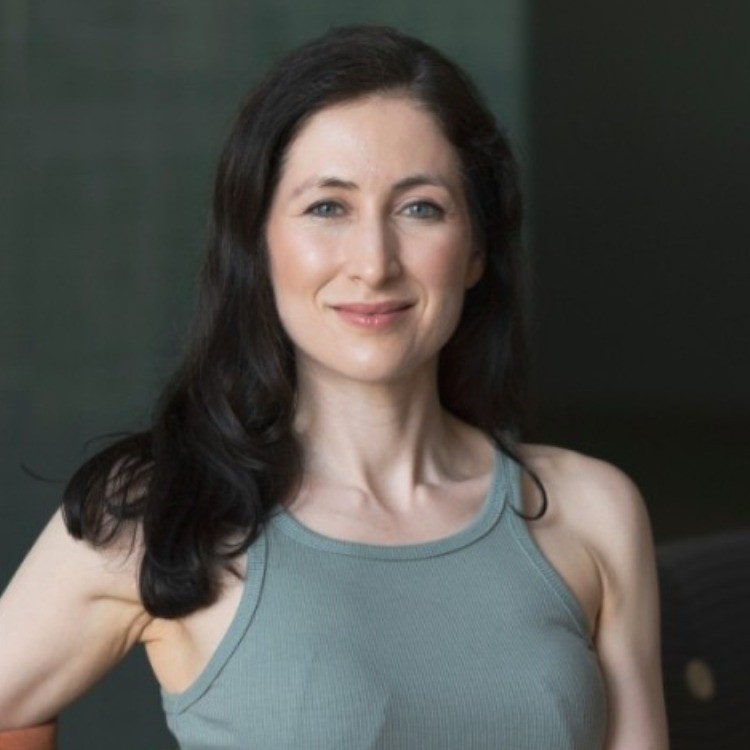
Judi Hays
Judi Hays is a personal brand strategist, executive positioning advisor, and LinkedIn expert. She positions experienced professionals and leaders of established, expert-led B2B consulting and professional-services firms for visibility, authority, and decision-maker conversations. Learn more about Judi Hays.
Show Transcript
This transcript was generated from the episode audio and lightly edited to remove filler words and obvious repetitions. It may contain transcription errors.
Kris Safarova:
Hi, everyone. Welcome to the Firmsconsulting podcast. Today we have Judi Hays. Judi is the author of Elevate, Expand, Engage, a LinkedIn expert, and a content marketing strategist. Welcome, Judi. It's great to have you on the show.
Judi Hays:
Thank you, Kris. I'm honored to be here. Thank you for inviting me.
Kris Safarova:
Before we jump into the presentation you so kindly prepared for us, could you share your backstory? I know you've spent time in Texas, San Francisco, and New York, and you're a woman of many skills. Take us back to how you ended up working in advertising in New York City and what led you to focus on helping people build their professional brand on LinkedIn.
Judi Hays:
Wow. I don't want to tell you how many years, because then you'll know how old I am. I can say this: I started my career in the advertising industry in New York City, working for a direct marketing firm. Back then, that was the stuff you got in the mail, known as junk mail. What was interesting is that they used a lot of techniques. They did a lot of testing and targeted lists, so it was very focused. I got more involved in that, and then I branched out into other areas. But one thing that struck me was the idea of one-to-one marketing. With mass marketing, the idea is that people get it through repetition. With one-to-one marketing, it's a personal engagement between two people.
That's what drew me to LinkedIn. When it first launched, it was more of a job site. You had to know people to connect with them, and it was a way to show what you're all about. Then it moved into lead generation, it became more crowded, and there was a need to stand out. Now LinkedIn is really focusing on content, and I love it, because content is a great way to educate and delight your audience, and you can do it in a one-to-one way. I'm talking to you, Kris, not to everybody who's kind of like Kris, because otherwise you'll think, that's not relevant to me. So that's where we are today: using LinkedIn to present your personal brand in a way that's relevant to the audience you're speaking to.
Kris Safarova:
How did you end up at that advertising firm?
Judi Hays:
Again, I'm going to date myself. There used to be something called the Agency Red Book. I had an uncle in the ad business, and I asked him to introduce me. He said, "No. You want a job in advertising? Go ahead and write to all these agencies." So I sent out about 150 letters. This was back when you did mail. I got 11 rejections and one phone call, and that phone call became the job I took. I worked there for seven years in New York City, then moved to San Francisco, then after 12 years moved to Austin, Texas, and most recently came back to New York. But it was basically this: I was focused on an end result. I wanted a job at an advertising agency, so I put together my package, my letter and resume, targeted who I wanted to reach, and tracked the response. It was a low response, but all I needed was one yes. It all comes back to what we do today with targeted marketing: have a clear objective and then use the tools. And luckily now, you're in LA, I'm in New York, and we can do this through this little Zoom thing.
Kris Safarova:
Absolutely. And I know you had a defining moment at that agency, when your boss told you never to come to him without...
Judi Hays:
Oh boy, you do your homework. I was the assistant, just a kid working in New York City, and I worked for the executive art director of the agency, a really busy guy. Once, I didn't feel empowered to make a decision, so I came to him with the problem. He basically scolded me and said, "Don't you ever come in here with a problem unless you've taken the time to think about ways to solve it and present me with options." Here I was, just a kid, and I was about to cry. But it stuck with me, and it became an underlying foundation of the way I work. I want to work with people who take initiative and think things through. It's so easy to go to somebody and say, "It doesn't work." Instead: "It doesn't work, here's why I think so, and here are some things we could try. Which one do you like?" That's a whole different mindset. It was brutal, but sometimes you need those moments to help you see things another way, and he was right.
Kris Safarova:
What was the origin story of your current business?
Judi Hays:
This business has evolved in many ways. I had been an employee for a while, then I was on my own, and I really wanted to return to New York City. I found a job that moved me back here, and after six months it wasn't a fit, and I got fired. I saw it as a good thing. It got me thinking that I could really do anything I wanted. So I started talking to people and played around with different things, and one thing I really liked was figuring out what makes content work on social media. I started providing analysis of social media metrics for a PR firm, looking at who the audience was and what the engagement was. I realized that of all the platforms I worked with, I really enjoyed LinkedIn, probably because it's business to business. It felt like the grown-ups are on LinkedIn, and I really liked figuring out what made it work.
A coach I worked with said to me, "Judi, as a marketer, you're one in a million. As a digital marketer, you're one in a couple thousand. As a social media expert, you're one in a couple hundred. As a LinkedIn strategist, you're one of a kind." My fear was that if I said I just do LinkedIn, I'd lose all these other opportunities, and that was the furthest thing from the truth, because LinkedIn is the gateway drug. You get in through LinkedIn, and for most of my clients, I'm managing their websites and email programs, helping them develop content, and helping them get media placements. But LinkedIn is where we put most of our investment, and we use it to channel out from there. I launched my business in 2015 and formed a corporation in 2018, and there's no looking back. I'm basically genetically unemployable. I set my hours. I work with a lot of West Coast clients, so I start my days at 10 and usually work into the evening, because that works better for them. There's nothing like having your own business.
Kris Safarova:
Absolutely. It's so common for entrepreneurs, because we like to decide our own rules and make a big contribution, which most jobs don't allow.
Judi Hays:
And it's not all smooth sailing. With freedom comes responsibility. If I have something personal to take care of, I still have to take care of my responsibilities to my clients, and they always come first, because they're the lifeblood of the business. But there are things you have to do, like take your dog to the vet, and you make it work. Somebody asked me what it's like having your own business, and I said, you can work any 24 hours of the day. The wheels are always turning. I've been fortunate, because I've built up a really strong network and good rapport with people. I'd say about 80% of my business has come from referrals or previous clients who mentioned my name. It's always been somebody who referred me. The other 20% has come from people who found me online, through a Google search or a webinar. I haven't done a lot of outbound. But understanding where your business comes from is a really good exercise, because you want to replicate it, and that's why nurturing your existing network is so important.
Kris Safarova:
You're already incredibly busy, so to take on more clients you'd need a team to support you.
Judi Hays:
I do have a team. I'm the lead, and I have a strategic partner who complements what I do. She's really good at defining the target and developing the pipeline strategy, and I'm really good at the branding side and content creation. So I come from one end, she comes from the other, and together we collaborate on a lot of projects, and we have people supporting us. Everybody needs a village. And I have two on staff: my dogs. One is in charge of social, and the other is in charge of security. They don't have thumbs, but man, they're busy on social media.
Kris Safarova:
I'm very glad you have a team, because I was a little worried you were working too hard. I know you prepared a presentation for us, so let's jump into it.
Judi Hays:
Welcome to the presentation. Today we're going to talk about LinkedIn. What I hear from a lot of people is, "Why should I be on LinkedIn?" Let me make the case. On LinkedIn, you present yourself in a professional way, and you can build thought leadership, meaning you lead with your thinking about what you do. By the way, over the course of my work, a couple of people said, "You've got all these great ideas. Why don't you put them in a book?" So I took their advice, and this is the book. If you want a free chapter, go to my website and grab it.
So, why LinkedIn? I hate to keep dating myself, but back in the day we used a Rolodex, a big carousel of cards. LinkedIn is the largest business-to-business Rolodex. It's all business professionals. If you type your name into a Google search, your LinkedIn profile is probably going to be the first or second result. That's how important LinkedIn is. It's a great way to build your brand. If you don't have a website, LinkedIn becomes your website. It's also a great way to get intelligence on companies. With Sales Navigator, the premium LinkedIn subscription, you get really good insights into what companies are doing. It gives you an opportunity to publish, become visible, build credibility, and network. And now more than ever, since we're not doing as many face-to-face things, it's the virtual world. My network spans the globe, from New Zealand to the UK to India.
What I want to talk about today are common mistakes. In the thousands of profiles I've reviewed and worked on with clients, I keep seeing the same things happen again and again. These things are costing you your reputation, because if somebody wants to do business with you, they're going to do their due diligence. They'll search your name: who is Kris? And your profile comes right up.
The first mistake, because of the way LinkedIn started, is that people's profiles read like a resume. It's all about me, me, the person on the profile, like a copy of my CV. Boring. It needs to be a resource. Your resume looks backward: it's your work experience, everything you've done up to now. LinkedIn is where you can set the stage for how you want to be perceived and where you want to go. Think of it as aspirational. If you get one thing out of today, that's the big difference: your resume is your background, and LinkedIn is how you want to be perceived.
Another lesson I learned in my early days in advertising is that if you want to be taken seriously, you have to dress the part. LinkedIn is a professional virtual networking event, so be professional. Dressing the part means having a good profile photo, not one with your arm around somebody, or with your kid or your dog. You want to use your profile to inform and educate your buyers, or whoever you want to attract, to be better buyers of your service, and you do that through content. You want to create curiosity. When somebody sees your picture and reads your headline because you commented on something, you want them to think, "I want to know what that person does." Being relevant means knowing your audience and creating content and conversations that relate to the people you want to engage with. And here's the crazy thing: your profile is not about you. Kris, when you asked me in the beginning to tell you about myself, it felt a little awkward, because I could talk about myself all day, but I really want to know about you. That's the odd thing about LinkedIn. It's not about you; it's about your reader.
Here's a before and after for one of my clients. She's a coach who works with technical engineers who have moved into leadership roles. Her profile said, "I help entrepreneurs," and there were a lot of positive things going on, but when I analyzed it, I saw room for improvement. It wasn't really entrepreneurs she served; it was technical experts. She had a podcast she wasn't promoting, and "catalyst for change" was a nice tagline. On the "before" side, it was "I help, I do," a lot of I's and me's. On the "after" side, it talks right to her target audience: "As an engineer and technical expert in leadership..." It makes you curious and want to click. She gives away some suggestions, here are three strategies, so it's about her, but it's not about her, if you get what I mean.
Here's another client example: a very nondescript, almost stalker-style profile. You don't know anything about this guy: "Results-driven healthcare professional." We took it a step further. We added a nice header and built out his headline so it tells people what he does. By the way, he's a Lean Six Sigma Black Belt, and he wasn't saying that. And we identified a pain point, a challenge in healthcare organizations, so you want to read more. That's the difference between a resume-style LinkedIn profile and a resource-style LinkedIn profile. These examples also optimize the About section: they're about the reader, not the person. For those of you listening to the podcast who can't see what I'm showing, I encourage you to go to the YouTube channel.
Another mistake I see is having no strategy. "I'm on LinkedIn, I don't know why I'm here, I don't know what I'm doing, it's not working. LinkedIn just doesn't work." It's because there's no strategy. Here's what happens: random engagement, where you're hot and heavy for a couple of days and then disappear for a month or two. Your network is a mishmash. You're not selective about who's in it. That doesn't mean you can't accept invitations or connect with people you haven't met in person, but there's no rhyme or reason, no focused audience. You're more of a spectator. I call that passive activity: you're lurking, maybe randomly liking things, but not commenting. That's like standing outside a great networking event, looking in the window. And bottom line, people say LinkedIn doesn't work. Well, that's because you're not working it.
Another mistake is what we call the pitch slap, the bait and switch, or connect and pitch. People who use LinkedIn to sell what they have put a lot of people off. If you meet somebody at a professional event, and they come over and immediately tell you what they do and ask if you'd like to buy what they're selling, how do you feel? Whoa. I don't even know who you are, and you don't know what I do. That's a pitch slap. Instead, remember that there's a human on the other side. Be human to human. Be resourceful: "How can I help you? What challenges are you dealing with?" Kris, when you asked me to talk about myself, one response could have been, "I can talk about myself all day, but tell me about you. How did you start this podcast? I see you've published a lot of books." Turn it around, be a resource, and let people know you want to listen. That's how you develop credibility and build rapport. My strongest advocates are people I've met on LinkedIn, and we've cultivated those relationships. You have to earn the right to talk to somebody and get into a position to sell. You should never be selling on LinkedIn. You want to get to the point where they ask you, "Judi, we've been talking about me. Tell me what you do. I'd like to learn more about your services." You just earned that. Just remember: nobody wants to be sold to, but everybody loves to buy. I love shopping and researching and finding the best deal. But when I download a white paper and someone immediately calls my mobile or puts me in some marketing funnel, that's so annoying and off-putting. Don't do that.
Another mistake is what I call collecting connections. It's like when we used to go to events and come back with a drawer full of business cards. I used to write something on the back of each card, like where we met or what we talked about, so I'd remember. But a lot of people connect on LinkedIn and then nothing happens. Crickets. That's why I say always personalize your invitation, so you remember: we met at the Forbes event, or we talked about this.
One thing you can do is download your database. Click the Me icon at the top of LinkedIn, select Settings & Privacy, go to how LinkedIn uses your data, and select download your data. You should do this regularly, because this is your network. If LinkedIn goes away or blocks you for some reason, you don't want to lose it. The download gives you first name, last name, title, company, email, and the date you connected. When I work with clients, the first thing I do is sort it by company, and then I filter by certain titles, say, everybody who's a coach or an author. Then I look at the names and think, I've connected with these people but never engaged with them. Maybe I should re-engage. Look at their profile and send them a message, not selling, just genuinely: "We've been connected, I saw you did XYZ, and I'd love to learn more about it. Can we chat?" That's a really good way to stop collecting connections and start engaging with your network. You have a lot of low-hanging fruit and golden nuggets already in your network, so it's really important to mine that data.
You should also always be growing your network, relevantly. The way I grow mine is, if there's an event in an industry I work with, I look at the speakers and reach out: "I'm checking out this event and see you're a speaker. It would be great to connect. I'd love to learn more about what you do." Again, very personal. I look at people's profiles and try to pull something out. Every time you connect with somebody, it expands your second-degree proximity. LinkedIn works like six degrees of separation: you need something in common, like the same university, a connection in common, or the same group, or they're out of your network. Growing your network helps you become visible. Also, if you publish content, typically only about 10% of your network will see what you post. So if you have 1,000 connections, which is a lot for most people, typically only about 100 will see your content in the feed.
And whenever you get a generic invitation, say after this call Kris sends me an invitation with no message, I'll accept it because I remember Kris, and then I'll write back: "Kris, thank you so much for having me as a guest. I'm glad we connected, and I look forward to seeing you in my feed." Just like you'd welcome someone who came to your office or your home. Don't get obsessed with quantity. You don't need a lot; you need quality. That's why, if somebody I don't know reaches out to connect, I look at their profile and ask whether they're active. If they're not, what kind of engagement will that be? I like people who are active: looking at things, sharing insights, participating. Look at your current network and re-engage with anyone you've never engaged with or lost track of. And mimic what you'd do in real life. Just close your eyes and think of LinkedIn as a networking event. How would you behave?
Then there's post and ghost. That's when somebody posts something, people engage with it, and they don't respond to any of the comments. It's like somebody meeting you at an event, handing you a business card, and walking away. If you post something, look at the comments people add and respond, even just, "That was a great point you made." Definitely participate. Some people behave like they have a bag over their head, sitting in the corner, afraid. Don't be afraid. Remember there's a human on the other side. Network as you would in real life, and don't be a lurker. Encourage conversations. I comment on things that interest me all the time. I ask a question, add to the discussion, agree, or give kudos, something that encourages a conversation. That's how you connect with your audience.
You've all heard about algorithms. LinkedIn is powered by an algorithm, and a lot of factors activate it: a relevance factor, meaning how relevant you are to your connections; an engagement factor, meaning how many people are engaging with a post; and a network factor. LinkedIn will never tell you the formula, and I don't think they even know it. But pay attention to what does get engagement and why, and always give more. Be a giver, not a taker, on LinkedIn. The Go-Giver mentality will come back to you in many ways, and that's how you build credibility.
Oh boy, this is a big one: no company page. Have you ever seen profiles with that ghostly, generic avatar in the Experience section? That looks sketchy. It happens for a couple of reasons. People think, "I'm just a solopreneur or a freelancer," or they don't know they can create a company page. But a company page is really helpful for getting found. Remember what I said about a Google search? If you have your own company, that's another opportunity to show up. It's also a channel for content. Kris, your company page can say, "Our CEO is awesome at interviewing people and has some amazing podcasts. Check out the channel." You wouldn't say that on your own profile, because that would be bragging, but your company page can say it, because the company is an entity and you're a person. Think of your company page as another channel to amplify your message. And it's easy to create. For listeners, I have visuals here showing company page headers and how vibrant they can be in representing your brand.
Here's an example: a senior-level financial executive who was between jobs. We took the initial of his last name and created a simple monogram. He liked purple, so we created a header with his last name and a tagline, "Leading finance and operations in global organizations," and that became his company page. On his LinkedIn profile, instead of the sketchy, gray, out-of-work avatar, he has a nice monogram, so it looks like the real deal. He isn't misrepresenting anything. When he consults, he works as himself; he just hasn't set up an entity. So this is a way around it.
You also want to be reachable, especially if you have your own business or you're in business development. People reach you through your contact information. Did you know you can put up to three website links there? One could be your website, or your company page if you don't have a website. The second could be a piece of content, like an ebook, a quiz, or your blog. The third can be a link to your calendar to schedule a consultation. You can add a phone number if you want people to call you. I registered for a Google Voice number so I can screen calls. And add an email; I use my business email. As for birthday visibility, I usually turn it off except for about four weeks before my birthday, because people use that trigger to reach out and re-engage. The rest of the year, I shut it off, for identity theft and other reasons. And only list your Twitter account if you're active there and not posting controversial things. So many times I've seen a Twitter account listed, and there's nothing there, it's blocked, or it's very controversial. Make sure your information is up to date and not from a previous company. Make it easy for people to reach you.
Here's another big mistake. How many times have you wanted to buy a product and read the reviews first, or asked a friend about a restaurant, or asked someone you trust who they used for a kitchen renovation? Most people have zero or outdated recommendations on LinkedIn. I understand that some people are in regulated industries, like securities, financial services, or law, and can't have them. But most people just haven't asked. I keep a little swipe file. Whenever a client or someone in my network pays me a compliment, I have no shame. I say, "Thank you so much, I really appreciate those kind words. Would you mind if I put that on my LinkedIn profile?" and I send a recommendation request within LinkedIn.
Case in point: there was a conference I wanted to speak at, and I knew an employee of the organization hosting it. I asked him, "I know we haven't necessarily worked together, but our paths have crossed at professional events, and you know what I do. Would you mind saying a few words?" He said, "Sure, why don't you draft something, and I'll finish it up." Within a day, I had his recommendation, and he wasn't saying anything that wasn't accurate. Don't be afraid to ask. The worst that can happen is they say no. A lot of times, clients have great testimonials on their website, but none of it is on their profile. Always get it on LinkedIn first, because it's harder to get into LinkedIn, and then you can take it and put it everywhere else. Another tip: don't request them all on the same day. If all the reviews for something are dated July 12th, that looks sketchy, like a bot did it. Recommendations are social proof, and they go a long way.
Now let me share a few ways to use LinkedIn beyond the obvious. The first is building a routine. If you're serious about growing your personal brand on LinkedIn, you have to do the work. It's like joining a gym and building muscle until you reach your goal. In as little as 30 minutes a day, if you do anything, check your notifications. That's the first thing I do every time I log in. I've gone back and adjusted my settings so I only get notifications about things I want to hear about, and since I do most of that on mobile, I've tweaked them for mobile. The second thing I do is check my inbox. Should I respond to anybody? Did I leave anything undone? Then I process connection invitations: I look at the person's profile and activity, and if it makes sense, I connect and send a welcome message. I'm at 35,000 or 36,000 now, so I don't really need to build more, but there's always opportunity. I'd say try to invite at least five new people a day. Find something relevant and make it personal. Then, since you've downloaded your database, re-engage with two people each day. There's about 20% job turnover every year, so 20% of the people I used to work with in Austin at a certain company have changed jobs.
Then look at your news feed, but don't get lost in it. That can be a black hole: you start reading posts, and three hours later you don't know what you're doing there. If there's something interesting, I use the Save feature so I can come back to it and write a comment. And when people ask me questions, like, "Judi, how do I do this?", I like to record a one- or two-minute video, write a post, and share it. That's content, being a resource and adding value. Another random act of kindness: endorse one of someone's skills. It triggers a notification, and they might thank you, do nothing, or endorse you back. It's a nice way to stay top of mind. And look at profiles: search different job titles and companies and see what people are doing. Try to request at least two recommendations a month until you have about eight, and keep them recent, from the last six months or so, not from 2012 when you were doing something completely different. Once you build the muscle, you can do all this in about 60 minutes a day, but start with at least one thing. Start with notifications.
Here are a couple of bonus tips. Polls are really fun. I have a whole video on my company page about how to use polls strategically; I use them for business development very effectively. Fill out your Open To section: are you open to consulting, job, or project opportunities? It's a newer section of the profile, and it feeds into search behind the scenes. Check your visibility and privacy settings. Some people went into stealth mode at some point and don't realize that when they look at someone's profile, it doesn't show who they are. This is a social network. Why wouldn't you want people to know who you are? Unless you're a recruiter researching candidates, you should be visible. That's the whole point. Also check how widely things are shared, first degree, second degree, everybody, because LinkedIn updates these settings from time to time and sometimes defaults them to something you may not want. Opt out of what isn't important to you and into what matters.
The Save feature is really helpful for reviewing content later. I also use Chrome as my browser, and each month I focus on 10 profiles in my network whose content I want to engage with. I bookmark them in a folder so I can go straight to their activity pages.
Here's a fun one: go to linkedin.com/sales/ssi to see your Social Selling Index.* If your total score is under 45 out of 100, you get about 20% less reach on the platform. The normal range is 45 to 60. Between 60 and 75, your reach expands by about another 10%. Remember, if you have 1,000 connections, your typical reach is about 10%, or 100 people who might see your content in their feed. I live on this platform, and I'm at about 83 or 85, which is roughly 20% more reach. I don't know anybody over 90; that would be a super user. Try to be at least in the 60s or 70s. LinkedIn shows you what to work on in each of the four areas: establishing your brand, finding the right people, engaging with insights, and building relationships, which is everything we're talking about here.
*Note: As of September 2026, LinkedIn’s Social Selling Index is only available with a Sales Navigator account.
So, in summary, the tips to master LinkedIn: create a professional brand, so dress up for the party; fine-tune your network, meaning be deliberate about who you connect with and engage with them, welcoming them to the party; and share insights and value. I have an article coming out in Forbes next week on how to find great content ideas if you're not a writer. For one client who wanted to be on podcasts, I researched and found 60 podcasts in their industry, and we published the list. It took off. People loved it, and it became a resource. Then people asked, "How do we get on your list?" We own the list now. There's a lot of content out there you can leverage if you're not a writer. And build strong relationships, just like this. Kris and I met at an event, connected on LinkedIn, and here we are talking. It takes work on both sides.
Please connect with me on LinkedIn. My name is spelled J-U-D-I H-A-Y-S. Be sure to mention this podcast or this presentation in your invitation, because I generally won't accept generic invites. And if you'd like a copy of my book on Amazon, it's Elevate, Expand, Engage.
Now for the event of the day: we're going to go live with somebody's profile. This is Kris's. For those of you on the audio podcast, you may want to go to YouTube to see this, but I'll try to make it as visual as possible.
The first thing, Kris, is that there's a name pronunciation feature you can use. Here's how I've used mine: "This is Judi Hays. Thank you so much for visiting my profile. If there's anything I can do to help you, consider me a resource." It's a short, 10-second calling card, and it's free. The second thing you can do is something called Cover Story, which you create on mobile. When you look at your profile on mobile, you'll see a little plus sign by your profile photo. Here's mine: "I'm really excited to check out this new feature called Cover Story. I think it's a great way to get to know your connections beyond the photo. I'm Judi Hays, and thanks so much for checking out this video. Two things you might not know about me: I love the water, and this is the dock by my house, a stone's throw outside New York City. And I drive a Mini Cooper. Tell me about you." What we're doing here is using free features of the platform to give people a glimpse of who you are as a person, whether they hear your voice or see you on video. Those are two really good tools.
Next, Kris, I'd focus on your headline. Think about the first 25 characters, and think about mobile, because about 45% of LinkedIn consumption is on mobile. Those first characters are how you show up when you comment and in lots of places where only a snippet of your profile appears. Right now, yours comes across as "Wall Street Journal and USA Today..." That's good, but we're missing the boat. Maybe you lead with best-selling author, or something like turning clients into influential leaders, or strategy training. Lead with your most important message. You can keep the other things, or you can move the Wall Street Journal and USA Today logos into your header image as small transparent icons, so you still get that across. You also don't need periods. Treat it like a headline, in title case, not sentences. Mine is by no means perfect, but here's what I do: author, because that's my current flavor; LinkedIn brand strategy, because that's what I do for B2B executives; Forbes Council member; executive profile makeovers; and high-ticket, high-trust prospecting. I use the pipe symbol to separate things, in a hierarchy of messaging, and it's very focused. In the examples I showed, you can talk about who you help, what you do for them, and what result you bring. Most people default to their job title, which doesn't help them at all. I'd say at least half, maybe two-thirds, of the profiles I see just have their job title. The first 25 characters are the most important, and up to about 45 characters show on desktop. I always look at things on mobile. In your header, you don't want your profile photo covering up something important. And your header says "Titans of Strategy," but I really have to work to see it, so I'd fix that. You could put a band at the bottom with the white Wall Street Journal, USA Today, and Forbes icons, "as seen in." And you don't have to use all 220 characters; treat the rest as gravy.
I see you have creator mode turned on, which is great. That means you can publish a newsletter if you'd like, and you can apply for LinkedIn Live, so you could do some of your shows live. On hashtags: there isn't much data showing that people consume LinkedIn by searching hashtags the way they do on Twitter or Instagram, but hashtags help organize the content you want to promote. So try to have a brand hashtag, and use it in everything you post.
Your contact information is great. You're using all three website links, you have your email, and it shows the date we connected. Well done. You're using the Providing Services section effectively. You may want to add a bit more of an About description there, maybe pulled from your company page. Providing Services is LinkedIn's answer to Fiverr or Upwork; at some point they'll probably monetize it so you can promote packages.
I notice your connections are set to private. There are two schools of thought, but I tell people to keep them open. First, nobody can steal your connections, and LinkedIn already shows our mutual connections. But here's the thing: if you and I get on a call, I might say, "Kris, I see you're connected to Karen, Bobby, and Julie. I plan to reach out to them, but I don't know them. Can you give me some background, and would you mind if I mention that we spoke?" I learned that from Brynne Tillman; it's called a warm referral. Since this is a business networking platform, it will behoove you to open up your connections.
You also have a great number of followers, and you're using the Featured section, which is outstanding. Update it from time to time. You're very active, sharing things and commenting. Check, check, check. You're doing a great job. When you share things, what shows at the top is great, "USA Today best-selling author," but make sure whatever shows there is the main point you want to get across, so people get curious and want to engage further.
Looking at what you're sharing, given the size of your network, you should be getting no less than about 560 views per post, which is 10%, and depending on your Social Selling Index score, more or less. Use that as a baseline, and then watch what helps you beat it and what drops you below it. Here, I'm not seeing much engagement, and it's the same visual on every post, and you're not tagging the guests. The text is a lot for mobile. I break every sentence with a hard return so you can scan it, which makes it much easier to read on mobile. I'd also tag the people, and instead of all this text, maybe put, "Here are the key takeaways. I encourage you to listen." And I'd use a different visual, because these all look the same. To me, it looks like the same post, and I didn't take the time to read it. That's why you're not getting engagement. And if you tag your guests, they should be sharing it with their networks. You're interviewing amazing people, so you should be getting more visibility than I see here. It's just how you're treating the content. You might mix it up, maybe with a poll. I like your branding. It's clean, and you have nice colors going.
Also, whenever you have an outbound link, and I can't prove it, but from what I've seen, LinkedIn wants to keep people on the platform, so when it detects an outbound link, it may suppress the reach unless people start engaging. Here you have comments and you're responding, which is good. You might try posting first and then coming back to add the outbound link. Test it both ways. Remember, only about 10% of your network sees a post, so if you post the same thing twice about half an hour apart, the same people won't see it.
On this one, you've done the right things: you're tagging people, and look at the engagement. I'd respond to people even if you don't know them: "Thanks so much for acknowledging my post. I'd love to connect." Always respond, and it's never too late. I space my responses out so they don't all hit the feed at once, because each response goes back out to everyone who engaged. I'd also look at who engaged with the post, and if any of them fit your target persona, reach out: "Thanks so much, I'm so glad you liked that post. So-and-so was a great interview." Make it personal, connect with them all, and bring them into the fold, because they're engaging with your content.
You were also really good with your follow-up when we scheduled this call. After you post, ask your guests to share it with their networks, and make it easy for them: "Here's the link. Here's how to share or tag this post." And I wouldn't put all that text in the post. Maybe a top line, "Here are the key takeaways," because people don't like to commit. They think, that's a lot to read, I'll read it later, and they never come back. How many times have I seen something in my feed and then couldn't find it again? That's where the Save feature comes in. The three dots are your key to all good things. Click the three dots on a post, and you'll find Save. And if you see something on your home page you don't want to see anymore, use the three dots to unfollow, remove the connection, or say you don't want to see it. That helps train what LinkedIn shows you. Also know that your home feed has "Top," which is what LinkedIn thinks you want to see, and "Recent," which is in the order it's posted. Most people's feeds default to Top.
In your About section, I'd do an exercise to really hone in on the problems. You have clarity on your solution, and that's what you're selling, but you never want to lead with that. You want a clear understanding of the problem your solution solves, the problem that's so painful the person is willing to pay to get relief. Get to the heart of it. In the coach example I showed earlier, the problem was that technical engineers are great at engineering, but now that they're in leadership positions, they aren't motivating their teams, and that's causing people to resign or be unproductive. That's a real problem. She provides a solution to help them become better leaders, but if she just leads with that, people shrug. If she hits the pain point first, "Do you know why your team isn't engaging?", and gives them some suggestions, that's different. So use her profile, and the other examples I showed, as models.
You can also create an Experience entry for your books, like I did for mine, or you can do something like I did for my Rizzoli books: I listed "Author of 12 books" with the titles, and I also added them in the Publications section. Since they don't have their own website, I put them on a Pinterest board and linked to it. You could do something similar with your books and use your Experience section to drive traffic there. But again, this section really needs to talk to your ideal audience, so they feel like you're talking to them: "This is what I need. Can we set up a call?" Inbound.
Your experience is built out, and you have your logo here. You can also add images or other media to each section. On mine, I've added screenshots of content I produced for clients and the Forbes pieces. And you have great experience: Bank of Montreal, Deloitte. I'm going to endorse you for strategy right now. That triggers a notification, "Judi just endorsed you for strategy," and you can acknowledge it, endorse me back, or do nothing. It's like a gentle tap on the shoulder: "Hi, thinking of you." Try that as you look at your connections.
And your recommendations are great: November 18th, November 25th. Beautiful. That's social proof. If I want to know you're the real deal, Kris, and that it's recent, not from a previous life 20 years ago, there it is. So you're doing everything right. It's just a matter of tweaking a few things and using more of the options available on the platform.
One other thing: you're on the free version, and one downside is that you don't see all your profile views. On a paid version, you get a 90-day lookback. I'd check who's looking at your profile daily, because there's always a point of curiosity: "Your name popped up. Let's schedule that coffee." You've also turned off "People also viewed," which is good.
Let me look at your company page. This is good: business strategy, venture capital and private equity as your industry, the map. What you're posting, so far so good. But I wouldn't post the exact same thing at the same time. Either share it from your personal feed onto the company page, or tweak it so it's coming from the company rather than from you. On your personal feed, you might say, "I had a great conversation with Sharon. We learned so much about..." and on the company page, "Our CEO just interviewed Sharon," more company speak than personal speak. Always tag the people, mix up the visuals, and maybe create a branded visual. People are more likely to click if they see faces. With video, if the thumbnail is text, it comes across as salesy, and if it's a black screen, nobody clicks, but if it's a talking head or two people talking, it looks more inviting. Your company page has your team, insights, and a great call to action. You're rocking it there.
You can also share your content in different ways. I'd run some polls. Come up with pain points: what are people in your industry challenged with? I had a client who thought a certain part of an organization was the roadblock to getting projects approved. When they ran a poll, they found out it was a different department. It was an aha moment, so they created a really good piece of content: "When we set out with this poll, we thought this, but we learned that." Then they reached out to the people who responded and shared the results, so they had something valuable to offer, and next time those people will be more receptive to a poll.
Do you have a page for your podcast?
Kris Safarova:
No, I don't.
Judi Hays:
Here's an opportunity. Here's an example from the coach I mentioned. She created a showcase page for her podcast, which links to wherever the podcast is hosted, Spotify, Apple, whatever. She uses that channel to push out her podcast content, which she can also share on her company page or her profile. Keep in mind: your profile is going to be the main place people engage with you. Your company page on LinkedIn is more of a recruiting tool and a validation that you're the real deal, and another opportunity to show up in a Google search. It takes a while to build a following on a company page, because you have to invite people and they have to accept. So spending a lot of time posting there doesn't always get you the same credibility as posting on your profile first and then sharing it to the page. That way, you get two benefits with one action, and if anyone engages, it goes back to the source, your profile, which is where you engage with people. You can also add a little podcast microphone to your headline. Just be careful, because people pitch podcasters, so you'll get a lot of pitches, but you know how to handle that.
Overall, I'm going to give your profile four stars. You've got a lot going on, and there's always room to get to five. I hope you take those suggestions for what they're worth, and thank you for having me as a guest.
Kris Safarova:
Thank you, Judi. This was very helpful. Let me ask for clarification: should I create a page for the podcast, and then every time we have a new guest, post it on the podcast page and share it on the company page and my personal profile?
Judi Hays:
Let me show you something. Here's another client of mine, whose podcast is Creative Retail Talks. The podcast page is our channel. We post different things there and tag people, but mainly we post on his profile, and we feature everything there. It originates on his profile, and then we share it out to the various channels, his company page or his podcast page. It all originates on his main profile, because that's where the equity is. He's got 2,600 connections, and that's where people are going to find it. On your podcast page, you might post, "If you'd like to apply to be a guest, here's where to go," and pin that to the top. Or you could do a look-back at the end of the year: a carousel of your guests' headshots, "2021 was a great year. We had 62 guests. We encourage you to listen." You can do that on your own profile, too. I put the equity in the personal profile, because that's what people engage with, and I share that content out to the other channels. And the more channels you have, a podcast page, a company page, your profile, the more shows up when someone does a Google search to see if you're the real deal, because LinkedIn is a highly credible website. Posts don't get indexed, but articles do. Posts are like tweets: they're here and they're gone. An article is like a blog post on a website. It gets indexed by the search engines, so that content may show up when someone searches.
Kris Safarova:
That makes a lot of sense. We have two main podcast channels, so I guess we need two separate pages.
Judi Hays:
Yes, and help people understand the difference. That was one thing that overwhelmed me a little when I looked at everything you have. There's a lot of stuff. Be clear on who each podcast is for: "This podcast is for this audience, and here's what we talk about, and here are some of the guests we've had." We're in an overstimulated world, with distractions coming at us all the time, so make it as easy as possible. When I sell my services, I've narrowed them down to three packages, and it all starts with a profile, so people don't get overwhelmed. Same with your podcasts: this one is for entrepreneurs, and this one is for business leaders at VC and PE firms looking to scale or exit. Keep the audiences clear so people can say, "This is the one I want." You can also cross-promote: "You might also want to listen to our other podcast." The easier you make it for people to understand what they're going to get, the better your results.
Kris Safarova:
Thank you, Judi. To wrap up: we have two main types of audiences. One is people currently searching for a new opportunity, and the other is people running their own boutique consulting firms and using LinkedIn to build the business. What advice would you give each of them to implement on Monday morning at 8 a.m.?
Judi Hays:
They have a parallel track. If you're an individual looking for a career opportunity, you are the product. You're marketing yourself as a product to the buyer, which is the employer. If you think of it like that, instead of "I'm looking for a job," which comes from a position of need, you're positioning yourself. For the entrepreneur looking to grow their business: educate, inform, and delight. Do whatever you can to give your audience resources and demonstrate your expertise in the industry. Go back and look at all the questions clients have asked you, and do a post on each. For example, somebody asked me the other day whether you can update your profile without notifying your entire network. I said, what a great question. So I recorded a one-minute video on Loom, posted it on my main profile, and then shared it to my company page.
Even if you're looking for a job, you can still be a subject matter expert. I worked with a gentleman who was a CFO looking for his next role. I asked him, "What kind of CFO are you? One who just does the taxes and keeps the business out of trouble? Or one who helps the business with long-term planning, exit strategy, shareholder equity?" That's the one who's going to get the job, the strategic one. So everything he put out was about what a strategic CFO does and questions to ask about whether your CFO is doing those things. Then the reader, the buyer, the employer, says, "Our CFO doesn't do any of that. We need to talk to Joe. Joe is really strategic, and I love the way he thinks. Get him in here." He sold himself without ever saying he was looking for a job. It's the same for a consultant. Make sure you're very clear on your target audience, and ask yourself what's relevant to them, what questions they're asking, and what they want to know.
And I really encourage you to watch my video on polls, where I do a whole breakdown of how to use a poll strategically. If you're not sure what the problem is, conduct a poll. But please don't do frivolous polls. I once saw someone post a poll asking whether they should be doing polls. Get that out of my feed. After a while, it diminishes your credibility. That's why I try not to do things on LinkedIn that I wouldn't do in person. At a professional event, I behave professionally. LinkedIn is the virtual professional event, so behave as such: dress the part, be a participant, engage with people, and start conversations, and everything else will fall into place. Pay attention to what you read and what's trending, and understand the hot buttons in your business that people care about. Doing that research and getting clear on who you're targeting is the very first step. Then create relevant content that addresses that audience. I showed you a post before we went live: the topic was relevant, it was consumable because we created a fun infographic, and it got engagement early on. It checked all the boxes, and two people reached out directly to the client and asked for a conversation. It doesn't happen every time. I've had many flops. Just look at what didn't work and move on to the next one. Don't let it tear you down.
Kris Safarova:
Absolutely. Judi, any final thoughts you'd like to share?
Judi Hays:
Don't be afraid of LinkedIn. It's amazing, and there are two good things: an edit button and a delete button. Fear is the number one thing that stops people from engaging on LinkedIn: I'm afraid of what people will think, afraid of what I'll say. They do nothing, and then it doesn't work. But there's so much you can do, even on the free version, with hundreds of millions of active accounts. I've grown a business using LinkedIn. Without it, I don't know how I would have cultivated the business I have today. But it takes work. Start with a strategy, have a plan, set measurable goals, pay attention to what you're doing, be deliberate, be specific, be a resource, and it will come to you. But sometimes you have to ask for it, like asking for a recommendation.
Kris Safarova:
Judi, let people know where they can learn more about you and your book.
Judi Hays:
You're so kind. I would love for anybody here to get the book. Go to judihays.com, spelled J-U-D-I H-A-Y-S dot com, and you can get a free chapter. If you like it, you may want to get the book. It's $10, maybe one and a half coffees these days, and you'll really have a blueprint for LinkedIn. I broke it into three categories. Elevate is how to become visible and elevate who you are to your audience. Expand is how to grow your network, your base, and your visibility. And Engage is where you engage in relationships. When you're building those relationships, remember that people want to work with people they know are credible and that they trust, and that's who they want to do business with. When you use that formula, you will find success on LinkedIn. I guarantee it. I've experienced it myself, and so have the people in my LinkedIn consulting sphere. But I'll tell you this: it's a long game. You may get a quick win, but it's a long game, and you have to put in the work. Start gradually, build momentum, and pay attention to what's working and what's not. It does work; you just have to work it.
Kris Safarova:
It does. Judi, thanks again for joining me today. I really appreciate it.
Judi Hays:
Thank you so much. I appreciate the opportunity to share with your audience, and Kris, I look forward to sharing this with my network when you post it, to help get you visibility and help people really embrace LinkedIn.
Kris Safarova:
Thanks, everyone, for tuning in. My guest has been Judi Hays. Make sure to check out Judi's brand-new book, Elevate, Expand, Engage, and I'll see you next time.
FAQs
Yes. Judi Hays points out that without a company page, your LinkedIn Experience section shows a generic gray avatar that can look sketchy. A company page gives you another way to show up in Google searches and another channel for content, and it can say things about you that would sound like bragging on your own profile.
Even a consultant between roles can create a simple page. Judi helped one financial executive build a page with a monogram of his initial and a clear tagline, so his profile looked like the real deal.
Ask. Judi Hays keeps a swipe file of compliments, and when a client or colleague says something kind, she asks if she can put it on her LinkedIn profile and sends a recommendation request. If someone offers, you can even draft it for them to edit.
Space your requests out so they aren’t all dated the same day, aim for about two a month until you have around eight, and keep them recent. Get testimonials on LinkedIn first, then reuse them on your website.
Make it easy for people to reach you. Judi Hays recommends using all three website links LinkedIn allows: your website or company page, a valuable piece of content such as an ebook or quiz, and a link to book a call. Add a business email and, if you want calls, a number you can screen, such as Google Voice.
Judi Hays starts every LinkedIn session with notifications, then checks her inbox for anything she needs to answer. Next, she reviews connection requests, looks at each person’s profile and activity, and sends a welcome message to new connections. She aims to invite about five relevant people a day with a personal note and to re-engage a couple of existing connections from her downloaded list.
Then she scans the feed with a purpose, saving posts she wants to comment on later. Today, Judi helps clients build this habit in her 90-Day Authority Intensive.
Judi Hays recommends posting each episode on your personal profile first, because that’s where people engage, and then sharing it to your company page or a dedicated podcast page. Tag your guests, lead with a few key takeaways instead of a wall of text, vary the visuals so every post doesn’t look the same, and make it easy for guests to share with their networks.
Be clear about who each podcast is for, so listeners know which one is right for them. Today, Judi helps clients plan content like this in her Strategy Lab.