PODCAST INTERVIEW
LinkedIn Trade Show Strategy for Better ROI
Listen On

B2B Live Lounge with Sarah Clay
Sarah Clay welcomes Judi Hays to the B2B Live Lounge, her live show on LinkedIn, to talk about getting a real return from trade shows. Judi explains how to choose the right show with a simple scoring matrix, how to use LinkedIn before, during, and after an event, and two tactics that turn a trade show into relationships: on-site LinkedIn profile makeovers and prospect by interview.
They also cover LinkedIn as a virtual event, why relevant metrics beat vanity metrics, downloading your connections to re-engage your existing network, and turning one appearance into weeks of evergreen content.
Episode Key Takeaways
- Pick shows with a scoring matrix: Rate each show on its purpose, the right people to send, and the outcome you commit to before you spend on a booth.
- Warm up the room on LinkedIn first: Connect with speakers, exhibitors, and sponsors before the show and share content about it, so no conversation at the event starts cold.
- Lead with value on the floor: On-site LinkedIn profile makeovers and short recorded interviews give prospects something useful and give you a reason to follow up.
- Follow up with permission, not links: Offer something valuable and ask whether they would like it, instead of sending generic automated emails.
- Mine the network you already have: Download your connections, filter by company and title, and re-engage people you already know.
- Carve every event like a holiday turkey: Turn one talk or show into clips, quotes, articles, and posts for weeks of evergreen content.
Resources
- Elevate, Expand, Engage by Judi Hays
- Sarah Clay, LinkedIn strategist and host of the B2B Live Lounge
- Judi Hays on LinkedIn
Watch Now
Appearances By
Sarah Clay
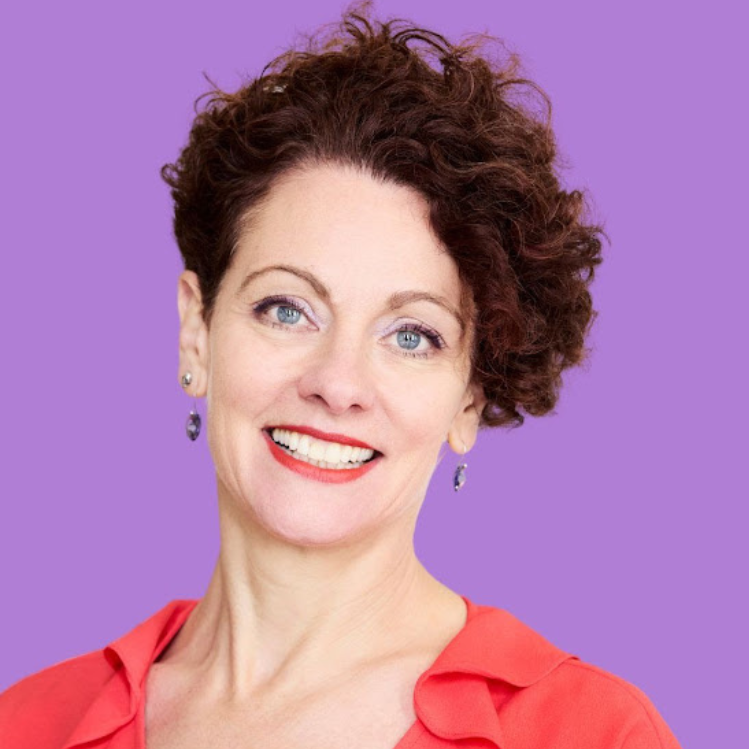
Sarah Clay is a LinkedIn strategist and personal branding coach based in London, and the host of the B2B Live Lounge. Learn more about Sarah Clay.
Judi Hays
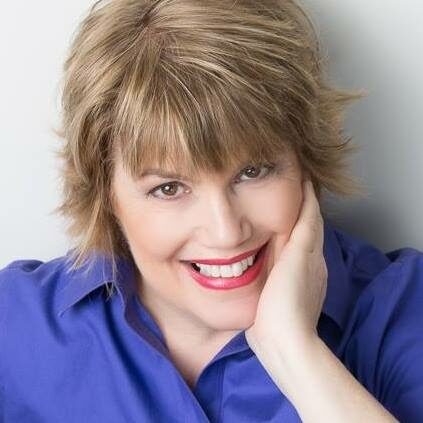
Judi Hays is a personal brand strategist, executive positioning advisor, and LinkedIn expert. She positions experienced professionals and leaders of established, expert-led B2B consulting and professional-services firms for visibility, authority, and decision-maker conversations. Learn more about Judi Hays.
Show Transcript
This transcript was generated from the episode audio and lightly edited to remove filler words and obvious repetitions. It may contain transcription errors.
Judi Hays:
I was really grooving to the music. It was like my morning workout.
Sarah Clay:
I love it, because when I play the music and everybody comes on dancing, it makes for a really nice, happy, lively start to the conversation.
Judi Hays:
I wouldn't expect anything less, Sarah.
Sarah Clay:
So I am really excited to have you here. To everybody listening to the podcast, when I get round to doing that, which will be one day, and everybody watching the live show: I would love to welcome to the B2B Live stage the fabulous Judi Hays. Hello, Judi.
Judi Hays:
Thank you, thank you, thank you.
Sarah Clay:
Introduce yourself, because you do it so much better than I do.
Judi Hays:
Oh, me? I'm just a humble girl from Brooklyn, New York, who happens to be fascinated with LinkedIn. I have dedicated myself to learning what makes this platform work, and I share that knowledge with my clients and my colleagues. It's an amazing community that we have built. Sarah, you're in London and I'm in New York, and we connected on LinkedIn.
Sarah Clay:
I know.
Judi Hays:
That's the power of this network.
Sarah Clay:
It's so fabulous, it really is. There are hundreds of people I've met on this platform who, yes, of course, are business contacts, but who have become my friends and even colleagues, because we share information and talk to each other. I just think the LinkedIn community itself is wonderful. LinkedIn is such a magical place.
Judi Hays:
Yes, it's been interesting. I got involved in LinkedIn back around 2008, when I first created my account, and I remember the terror of having to post something. Back then you had to put up a status update: what am I working on? Oh my goodness. I was so afraid of saying the wrong thing. Over the years I realized that there are two functions on LinkedIn that are really special: one is edit and the other is delete. There have been many times when I've posted a comment, and then I'm in my car driving away thinking, I probably should tone that one down a little bit, and I'll go in and edit it. It's a great tool.
Sarah Clay:
I love that. Edit and delete, that's absolutely brilliant. It's such a wonderful platform. I tell this story a lot: my first video on LinkedIn was, I think, my second-ever post. I thought, video, yeah! I spent all day recording this flipping video, and I didn't know how to edit back in those days, so it had to be one take. I didn't know where to stand. I went all day, it got to school pickup time, and I had to go and get the kids. I thought, right, I've just got to put something out. So I chose one of the takes, put it out on LinkedIn, and walked to school to collect my kids, and I felt sick all the way there. What have I done? But of course, it's just about being us, and being human, isn't it?
Judi Hays:
Yeah. I try to explain it this way to people who hesitate on LinkedIn. LinkedIn is essentially a virtual event. It's an event where you dress a certain way, whatever is appropriate for your persona, and that's your profile. The guests at this virtual event are your network: there are people you know, people you want to know, and people you just don't know. And then the food and the beverages, that's the content, and that's where people tend to congregate and engage. So when you think about it like that, are you a spectator looking in the window at this event, watching all these people have a great time, or are you involved in the conversation? That's what I encourage the people I work with to do: just get in the conversation. Don't rely on AI or other shortcuts. Be genuine, be real, be vulnerable, and share your insights.
Sarah Clay:
I talk about LinkedIn being a party, the biggest networking party in the world, which it is, and about being in the right room at the party. You go to a party and hang out in the kitchen with your friends, where the drinks are, and you have a great time. But if you want to grow your business, meet new people, and grow your network, you've got to get out of that kitchen and go into the living room or the dining room. I love the event analogy, and the content being the food and drink, and the entertainment, I guess.
Judi Hays:
And just think about this. Let's say the event is for vegans, and you have a roast beef carving station. There's a disconnect. Nobody's eating that food. It's the same thing with your content. If you're putting out content and nobody's engaging with it, you may want to ask, what am I serving here? Is it relevant to my audience?
Sarah Clay:
I love that. We're going to be talking about trade shows in a minute, but the comments are going crazy, so let me share some. We've got the wonderful, magnificent Jeff Young, who is the most generous, kind, and very amusing person I know on LinkedIn. In fact, Jeff is about to be "legal" on LinkedIn, because it's been 21 years. Grand master of LinkedIn!
Judi Hays:
Oh my. Jeff, I see a book in your future: the evolution of insanity. We are still here in this wonderful community, and what's nice about LinkedIn is that it's dynamic. It continues to evolve. There are things we like and things we don't like, but it's up to us. I call us aficionados, because we are so into LinkedIn, even more than the people who work there. That's a fact. People who know me know I don't mince words. But the point is that we immerse ourselves so we can help people have a good experience on the platform.
Sarah Clay:
Absolutely. For me, and I know for you and for all of the people I know who teach LinkedIn, in whatever form, it's all about helping people enjoy it and use it properly. It's lovely to see so many long-time LinkedIn members here. Will there be good music? Well, of course. If you stay to the end, you will hear my lovely music, because we play ourselves in with music and we play out with music on the live show. The party is on, and the snacks are yummy, and somebody is loving the party analogy. So, Judi, we were talking about trade shows and the whole party idea, and the reason we've gone into that analogy is because that's your niche.
Judi Hays:
It's one of my niches. My gateway drug is LinkedIn. A lot of my clients come to me for optimizing their profile or training their team. Then we talk about where they're allocating their marketing dollars. I'm in the business-to-business professional services space, working with smaller companies, and they're investing. A minimum investment in a trade show is about $20,000 for a booth, and it can go up to $100,000. So the conversation starts with: how are you validating that it's the right show? And then, how are you leveraging the audience you know is attending that show? Is it the usual tchotchkes at your booth, and then the typical follow-up, those annoying emails when you get put in some kind of funnel that goes nowhere?
So I've been looking at innovative ways to get a return on that investment. One of the things we tested last year, which was phenomenal, I did with my colleague Brynne Tillman. One of my clients invited us to do on-site mini profile makeovers at a large supply chain trade show. They said, "There are always headshot studios at these trade shows, and there's always a long line, and it's fun. What do you think about doing on-site mini LinkedIn profile makeovers?" I said, "Okay, we can do this." So Brynne and I put our heads together. Brynne came up with amazing ChatGPT scripts to help expedite the process, and we set up a whole system. In the course of two days, we optimized 93 profiles. Mind-blowing. We had a big screen, and people signed up. It was like speed dating on steroids: 10 minutes, boom, boom, boom.
Here's where the value came in. The sponsor was able to, number one, get a highly qualified list, because people had to answer certain questions when they signed up. Second, from the line of people, they knew when their prospects were coming, and they could send their sales team to where we were. We were in the main area of the convention center, so they could engage with their prospects and start to build rapport. And after the event, we had a system for sending everyone their recommendations, and it was just amazing, because the sponsor then had a value-added reason to follow up with the people who took part. I'm working on launching this with more trade show producers. It has really become a way to get a return on the investment, as opposed to putting your name on the elevator or something. What does that do? Or just having tchotchkes at your booth. This is money well spent, and it brings a return.
The other thing I've been doing with Brynne is something we call prospect by interview. Again, it's trade show-based. We want an opportunity to conduct a short interview, maybe seven minutes, with three questions. We identify the prospects we want to talk to, interview them, record it, transcribe it, and produce an ebook: an insider's guide. It could be the top trends of the show. The people who participate get value-added content they can share: takeaways about the show, the industry, and the trends. They leverage that with their networks. And for the people who didn't participate, we can come back and say, "We're sorry we didn't have the opportunity to talk, but we wanted to share the book with you anyway." So now you're building rapport. It's all about creating that connection and leading with value. Nobody's selling anything here, and yet you've built that street cred, the know, like, and trust factor, whatever people want to call it. Those are the two things I've been doing at trade shows that are delivering a return on the investment.
Sarah Clay:
I love that. You've taken the trade show to a completely different level. And I loved what you said right at the beginning about taking a booth, a stand, at a trade show: is it the right show? So many people spend all this money. I've done it myself, and it was the wrong audience. Nothing really landed for me. It was a great PR exercise, no question at all, but the audience wasn't quite right. I was speaking at the event anyway, so I thought I'd take a stand because it kind of made sense. But it was a lot of money, and a lot of time, which is actually more important: two days out of my business standing on a booth. Had I thought about it more carefully, I'd have said, I'll speak there, but I don't need to invest in the booth as well. So how do people work out which is the right show for them?
Judi Hays:
I came up with a matrix. It asks certain questions, and you score each one. When I work with my clients, we rate each factor from one to five. What's the purpose of the show? Is it for networking, education, or brand awareness? Then, who from my team, or the client's team, are the right people to represent us, or to participate, for that reason? And what is the committed outcome? A lot of times I encourage clients to do some kind of write-up or review, whether during the show, before it, or after it, and to take pictures. People really enjoy seeing other people. There's something about seeing people that goes beyond anything else.
Then it's a planning process. How do you start connecting with the speakers, exhibitors, and sponsors before the show? Most shows have all of that information on their website. It's there. Using Sales Navigator, you put in your persona and filter by who you want to connect with, and you can start that conversation. Then, if you start sharing content about the show, what you're excited about, maybe even spotlighting some of the exhibitors who are going to be there, you can build a whole series and create momentum. During the show, you've already broken the ice, so it's not a cold engagement. And then it's the follow-up afterward, and that's where most people drop the ball. They scan badges, whatever the system is, and you get these ridiculous emails. I collect them. I call it my bad email file. "This is the last time I'm going to reach out to you." Okay.
Sarah Clay:
Thank you.
Judi Hays:
Block, delete, spam.
Sarah Clay:
"Just bringing this to the top of your inbox."
Judi Hays:
The other way is: "I'm so glad we had a chance to talk. I mentioned I was working on this insider's guide, and I'd love to share it with you. Would you like to have it?" Ask permission, instead of just sending people random links. That's how you build trust and create value. And ultimately, when your ideal prospects have a problem that has reached the point where they need relief, guess who has been showing up all along and is top of mind? You are.
Sarah Clay:
There's the return in a nutshell. Be consistent, be helpful, add value, be kind. And I love this, because Jeff Young has just answered someone's question in the comments and explained what to do. How brilliant is that?
Judi Hays:
That's the community. Anytime somebody asks, there's an answer. And by the way, I'm going to tell everyone today, as a public service announcement: please download your connection database, because LinkedIn has just made it a step more difficult. This is your gold mine. This is your opportunity for engagement and re-engagement: who you're connected to. About 72% of people have never downloaded their network, or haven't in the past year.
Sarah Clay:
Because we are renting this space.
Judi Hays:
Indeed, we are.
Sarah Clay:
This is not our space. We do not own it, so we can get kicked off at any time, as some people have unfortunately experienced. Thank goodness not me, but anything could happen.
Judi Hays:
It happens, and we all try to be good citizens. So once you get your download, what do you do with it? Put it in your spreadsheet program. I use Google Sheets. Sort it by company name, then create a filter on the position column and put in your ICP, your ideal client profile, and look at who fits. You'll be surprised. There's about a 20% turnover in jobs each year. People change jobs, and all of a sudden you'll realize you may already be connected to somebody in an organization you could help. Re-engaging with the people you're already connected to has so much value. But it's a re-engagement where you ask about them: "What are you doing? It's been so long. I'd love to catch up." Have that conversation. Listen, listen, listen. Let them talk, and usually at the end of the conversation it turns to, "Well, what are you up to? How can I help you?" I also like to connect people. I'll say, "Oh, Sarah, you need to meet so-and-so. You'd have a great connection," and I'll use LinkedIn to make that introduction. It's fun.
Sarah Clay:
I think you're absolutely right about the audience you already have. There are too many people on LinkedIn who aren't using the audience they already have. They think, I've got to meet more people, I've got to splatter-gun everything I do all over LinkedIn, and then lots of people will come. Actually, it's about being much more targeted and focused: looking at who's already there, talking to them, and building those relationships, rather than always starting new relationships and hoping those people will buy from you. I was talking to my group about this just this afternoon. You wouldn't ask somebody to marry you on a first date. If we look at building relationships in terms of marriage, getting married takes effort and a long time, but once you're married, you've got that relationship, and building on it is a much easier process.
Judi Hays:
Back to the trade show analogy: back in the day, you'd collect business cards, and then they'd go in a drawer. What do you do with the business cards? That's akin to collecting connections. I am much less into vanity metrics. I could care less about vanity metrics. What I care about is relevant metrics, because there's a big difference. I don't care about having a million views or going viral. It doesn't help. What I do care about is that I'm getting through to the people I want to reach and making that connection. It's all about value: quality, not quantity. With the algorithm these days, I test all different formats and theories. The algorithm reports are handy, but they're all about what happened in the past, and I don't think even LinkedIn knows its algorithm. We should be concerned with producing content that is relevant. Relevant content will always rise above the memes and everything else, because it has evergreen longevity.
Sarah Clay:
Absolutely. People can get so bogged down: my post has got to look like this, it's got to have this many words, it's got to have this structure. Or with video: oh no, I've gone over, a minute is too long. It's about the value you're giving your audience. That's what's important.
Judi Hays:
It's all about value. Nobody wants to be sold to, but everybody loves to buy. I'm going to make a trip to London, and I'm going to reach out to Sarah and say, "Sarah, what are some good places to stay? Where do you like to eat? What are some good activities?" Because I know you and I trust your recommendations. It's like that in business, too. We have so many opportunities with this delightful platform, and I'm glad everybody's here. If there are any questions, go ahead and put them in the chat, and we'll be happy to address them.
Sarah Clay:
There are some interesting comments. I love this one, a worst-case story: "I've been trying to call you, but with no luck, so please accept this email."
Judi Hays:
Oh man. What I did was set up a Google Voice number, and that's the one I share, because my cell phone is sacred. I don't want to be getting crazy texts on it. "Did you see my email?" I'm like, who is this?
Sarah Clay:
Oh yeah. I got one the other day: "Do you want to jump on a call?" So I replied, "Who are you?" No idea. Some recruiter who found something on LinkedIn.
Judi Hays:
That's very common. What I do is, if somebody sends me a message like that, I send them back a link to book a paid call. Sure, I'll hop on a call; it's your dime.
Sarah Clay:
I love that. So let's go back to trade shows, because this is where the real value is. What I love about this conversation is that I don't know anybody else on LinkedIn who's focusing on this. I know it's not your only focus, but you've chosen to own the trade show space, and that's one of the brilliant things about LinkedIn. All the people I know who train LinkedIn, whether they call themselves trainers or consultants, have a different area they specialize in. That's what makes us unique, and we're not treading on each other's toes. We're all there to help each other. And you're so right, Judi. People spend a fortune on a trade show, and there are so many missed opportunities. So what do you see as the biggest mistakes companies make when they're at a trade show, or even thinking about going to one?
Judi Hays:
It's really about being intentional about the expected outcome, not just saying, "We're going to collect leads," and, "We got 500 badges scanned." That's a numbers game, and there's not a lot of value in it. It depends: if you're selling a commodity, that might be appropriate. If you're selling a high-trust, high-ticket service, then it really is based on trust. So what I would say is: have a plan. Very few companies really get into the plan. And maybe marketing and sales need to have a conversation, because marketing is all about branding and awareness, which is a different language. Sales is about leads, the pipeline, and conversion. It's very numbers-oriented, and a lot of times the two don't communicate.
There is something called sales enablement, and that's where the insider's guide from prospect by interview comes in, as a good piece of content that serves both purposes. It brings in brand visibility, and it also provides a reason for a conversation. I think going through an evaluation and setting up some kind of scoring matrix helps. If anyone is interested in that matrix, reach out to me on LinkedIn and I'll be happy to share it with you. The matrix captures the criteria you deem important and ranks them. Then you look at the shows in your industry. I track certain industries and the shows in those industries. You might say, "We wanted to send people to this show, but it has a very low score, because it's not the right audience or it's very expensive," whatever the criteria are. And then some shows score well, and you should be sending people there.
There are also different ways companies participate in shows. Obviously, the sponsors are what make it happen. Then there are the exhibitors, which are different from sponsors, though sometimes they're the same. Then there are attendees, and then there are speakers. Attendees might have a different objective than an exhibitor. And a lot of times, what I find is that if you want to be a speaker, it's pay to play: you've got to be a sponsor.
Sarah Clay:
I've never had to pay to speak. I've spoken at a few events now, and I'm really lucky that I live close to the ExCeL Centre in London. I've been asked to speak at various events there, and I've never been asked to pay or expected to.
Judi Hays:
Sarah, you're known.
Sarah Clay:
Everyone says to me, "Why haven't you got a booth? Surely they made you take a booth." And I say, "No, they didn't." For me, that's real value. If you see somebody speaking on a stage and they don't have a booth, it means the event really wanted that person.
Judi Hays:
Oh, absolutely. It's the same with podcasts. A lot of podcasts now have media kits.
Sarah Clay:
Yeah.
Judi Hays:
You make an investment. It costs money to do things. It's just a matter of weeding out the right opportunities.
Sarah Clay:
We have a question that's just come in from a viewer: "Who would you consider the most important role or title to reach out to if I wanted to work more in the event space as a video strategist? Events seem to be the best place to form genuine connections." That's a really good question. I'm guessing you're thinking about working for the event itself, to video the actual event.
Judi Hays:
It could be. There are companies like Freeman, and I'm talking about the US; I know there are other companies globally that produce events. Freeman is one I'm familiar with that handles a lot of the back end: setting up the floor and all of that. So they may be one option. I would also look at show producers. Look at the shows in the industries you're interested in, go to the bottom of the show's web page, and see who's producing it. Emerald is another show producer. Sometimes it's trade associations or nonprofits. In supply chain, there's CSCMP, and in security, there's SIA. So there are different entities that produce these shows. I would find those people, and it will probably be somebody in marketing. You might even attend some of the shows you can get into. I'm fortunate to have the Javits Center right here on the west side of Manhattan, and there are certain shows I can walk into if I have a credential and talk to the show producers. They usually have an office that's not on the trade show floor, so you can catch them in the lobby. Start to build rapport. It takes a little research to find the right people, but every time you talk to somebody, ask: "If you're not the right person, who would you suggest I talk to?" Then you can say, "Carl suggested I talk with you." You've already warmed up that conversation.
Sarah Clay:
The recommendation. Now the viewer is asking about the speakers, maybe getting videos of the speakers. So do exactly what Judi says: go to these events and exhibitions and speak to the speakers. Or look at the program, see who's speaking, connect with them on LinkedIn, and start building that relationship on LinkedIn. Then, when they're next speaking, go along and meet them in person. You can start that relationship on LinkedIn, for sure.
Judi Hays:
There are some restrictions. One of my clients speaks on and facilitates panels, and in the security industry in particular, one of the shows doesn't allow any videotaping, because the show wants to do the videotaping itself and own that content. So some of this has to do with proprietary rights. You've got to think outside the box on these things, but going to a show and talking to people helps. Podcasters also often broadcast live from a show, so that's where video can come in handy. How are they doing it? How are they setting up the camera? Talk to the exhibitors. Do they want to do something live at their booth?
I worked with a company that produces the printed guides for chambers of commerce, and people still like printed guides. He created a giant Instagram frame, and in every city where he exhibited, he did a "greetings from" photo with it. That was definitely shareable. People came to the booth for it, and he was able to reach back out to them to send them the photos so they could share them. It turned out to be a really good conversation starter for him. So you just have to think a little outside the box. Whatever everyone's doing right now, there's always another way to do it.
Sarah Clay:
A hundred percent. I always say, if you're exhibiting, make sure your stand is really different from everybody else's. I took my purple sofa to my stand. I got a van and brought my two fabric walls, and it was like a living room, with a rug on the floor and my sofa. Oh my gosh, you could not walk past my stand, because it was so busy with people and people and people. So from a PR point of view, I was everywhere.
Judi Hays:
One brand. One brand.
Sarah Clay:
One brand, absolutely. It's all orange and purple. So make your stand stand out and do something different, and then people will want to film it and photograph it, and you've got a whole host of posts for LinkedIn, your website, whatever it is. You get so much collateral that you can repurpose again and again.
Judi Hays:
That's the thing. I use the holiday turkey analogy when it comes to content. If you have pillar content, evergreen content, whatever you want to call it, start with the higher level of what that is and then look at how you can parse it out. From a video, you could have video shorts, sound bites, audiograms, stills, transcribed articles, and shorter blog posts. It's endless. And if the subject is evergreen, like trade shows, which will never go out of style, you can keep repurposing it. They went through a period when nobody was going out, and now everyone's back out again. It's a tribute to my mom, because she grew up in the Depression era, and she's no longer with us, but she taught me about being resourceful: taking that turkey and making different meals out of it for two weeks, so you wouldn't even realize it was the same turkey. Soup, croquettes, tetrazzini, you name it. That's how I approach content strategy. Give me a turkey, and I'll keep it going for two weeks.
Sarah Clay:
Oh my gosh, this has been amazing. We've got lots of people in the comments.
Judi Hays:
We're both in the Marketing with Meller group, and there are some amazing people here. It's great to see some familiar faces.
Sarah Clay:
I'm feeling lots of FOMO going on. We've actually gone over time, as we often do on these.
Judi Hays:
Where's the cane that's pulling me off the stage?
Sarah Clay:
I know, but I love this. This is my favorite spot of the week, my B2B Live Lounge every Thursday at this time, folks. Very occasionally there won't be one, and next week there won't be, because I'll be at Uplift Live in Birmingham with the fabulous John Espirian and some other amazing LinkedIn people. It's going to be the most amazing LinkedIn conference, and I'm going to be nerding out about LinkedIn for two whole days. I can't wait. So I won't be here next week, but most Thursdays at 3 p.m. UK time, for half an hour or a bit longer, we have the B2B Live Lounge, and I always have the most amazing guests. I'm so excited that I've had this conversation with Judi Hays. I have one more question for you, Judi. I ask all of my guests: can you give three tips that our viewers and listeners can take away and act on straight away?
Judi Hays:
Well, does my tip about downloading your database count as one?
Sarah Clay:
Download your database.
Judi Hays:
The second thing I would say is, if you go to an event, set up something in your phone, in your notes or wherever, with a framework script for your connection invite when you meet somebody. "Hey, let's look up your profile. Great to meet you at the show. Looking forward to continuing our conversation about..." Have that ready, so for every person you meet, you make the connection, and you have a paper trail going forward: oh, that's where we met, and that's what we talked about. Have something prepared, whether it's a QR code or whatever it is.
And the other thing is not to be afraid. If you're not posting original content of your own, start engaging through comments and look at them as conversation starters. Remember what I said about the content being the food? If you're gathering in the kitchen and talking, start to engage that way. LinkedIn now shows you the reach of your comments, including your impressions, so if you like what you're seeing, you can develop that into further content. I hope those are three tips you haven't heard before and that you can use.
Sarah Clay:
Download your connections: tip number one. Tip number two: have a script ready, so that when you connect with people, you can copy and paste it, even if you're standing in front of somebody. It's really important, so that you can always remember where you first met. And another one: before you go to a show, save your LinkedIn QR code in your photos so you can just flash it. You don't want to use up your connection requests; you want people to connect to you. So be quick on the draw: "That's my QR code. Just scan it." They have to connect with you, so you're not using up your connection requests.
Judi Hays:
That's brilliant. And you can make it your lock screen. Beautiful.
Sarah Clay:
And the other thing you said is to use the comments as well as connecting with people, especially if you only have the free version of LinkedIn. If you have the free version and you're commenting on somebody's posts, it's kind of okay to send a connection request without a note, because you've already started to build the relationship in the comments. If you've run out of personalized notes, you can kind of get away with it.
Judi Hays:
I do like to have some kind of response then: "Hey, I really liked the post you shared about..." Because honestly, I cannot keep track of everything, and sometimes time passes. It's like, oh my gosh, we talked in July, and here it is, March. That's where we met. It comes back like it was yesterday.
Sarah Clay:
And you've got something to hang the conversation on. This has been amazing. I'd love everybody who's here to come and say hi to me on LinkedIn if you're not connected to me, and if anybody here is not connected to Judi, go and say hi to Judi on LinkedIn. Let's all continue this wonderful community we're creating here on the B2B Live Lounge.
Judi Hays:
Anyone who's in the New York metro area, please reach out to me, because we're talking about planning some kind of gathering in the city in May or June. If you're interested, whether you're local or you want to fly in from London, reach out. We've been known to have some fun.
Sarah Clay:
Right. And now we're going to play out with some music. Thanks, guys, and we'll see you in a couple of weeks.
FAQs
Judi Hays uses a scoring matrix. Rate each show from one to five on its purpose (networking, education, or brand awareness), on who from your team is the right person to attend and why, and on the outcome you commit to. A show that is big or popular is not automatically the right one, and sometimes speaking at an event delivers more value than paying for a booth.
Judi shares her trade show scoring matrix with people who reach out to her on LinkedIn.
Judi Hays recommends starting before the doors open. Most shows list their speakers, exhibitors, and sponsors on the event website. Use LinkedIn Sales Navigator to filter for the people who match your ideal client, connect with them, and share content about the show, such as what you’re excited about or a spotlight on exhibitors you plan to visit. By the time you arrive, you’ve already broken the ice.
Today, Judi helps clients map out LinkedIn plans like this in her Strategy Lab.
Skip the generic, automated follow-up emails. Judi Hays suggests offering something of real value, such as a guide or recommendations from the show, and asking permission first: “Would you like me to send it to you?”
At the event, keep a short connection script in your phone that notes where you met and what you talked about, so every LinkedIn connection has context you can come back to later.
Prospect by interview is a trade show tactic Judi Hays uses to lead with value. You identify the prospects you want to meet, conduct a short recorded interview of about seven minutes with three questions, and turn the transcribed answers into an insider’s guide, such as the top trends from the show.
Participants get content they’re proud to share with their networks, and prospects who didn’t take part still receive the guide, which gives you a warm, value-first reason to follow up on LinkedIn.
Judi Hays points out that a logo on an elevator or a booth full of giveaways rarely produces a return. At a large supply chain trade show, she ran on-site mini LinkedIn profile makeovers for a sponsor and optimized 93 profiles in two days.
The sponsor gained a highly qualified list from the sign-up questions, a steady line of prospects in one place for its sales team to meet, and a value-added reason to follow up after the show.
Judi Hays calls it the holiday turkey approach. Start with one piece of evergreen pillar content, such as a talk, panel, or interview, and carve it into video shorts, sound bites, audiograms, still images, articles, and shorter posts. Evergreen topics stay relevant long after the event, so you can keep repurposing them for weeks.
Today, Judi helps clients build this kind of content plan in her 90-Day Authority Intensive.