PODCAST INTERVIEW
Winning on LinkedIn
Listen On


The Logistics of Logistics Podcast with Joe Lynch
Joe Lynch, host of The Logistics of Logistics Podcast, talks with Judi Hays about winning on LinkedIn as a professional services firm. Judi shares her path from advertising and menu design books to LinkedIn, and explains how the Triple-E Method (Elevate, Expand, Engage) works together: a strong profile and relevant content, a network you keep nurturing, and real engagement.
They cover why every company needs a connected company page, how to re-engage your existing network, how much to share personally, and why automation and copy-and-paste outreach damage your reputation. Judi also explains why she uses LinkedIn to find people and then works to get them offline.
Episode Key Takeaways
- Start with a plan: Decide who your audience is, what problem you solve for them, and commit to the long game before you post.
- Keep your profile current: Use a recent, professional photo, update your experience, and connect your company page to your profile so buyers can click through.
- Use content as a breadcrumb: Be relevant to your audience's problem, never lead with your solution, and share other people's useful content with your own take.
- Re-engage your existing network: Download your connections, since about 20 percent of people change jobs each year, and stay in touch with a quick, personal note.
- Engage by listening: Show interest in the other person first, make introductions, and don't sell on LinkedIn.
- Don't automate or copy and paste: Your picture is attached to every message, so bad outreach damages your reputation and can get you suspended.
Resources
- Elevate, Expand, Engage by Judi Hays
- Episode page on The Logistics of Logistics
- The Logistics of Logistics, Joe Lynch's podcast and blog
- Download a free chapter of Elevate, Expand, Engage
Listen Now
Appearances By
Joe Lynch
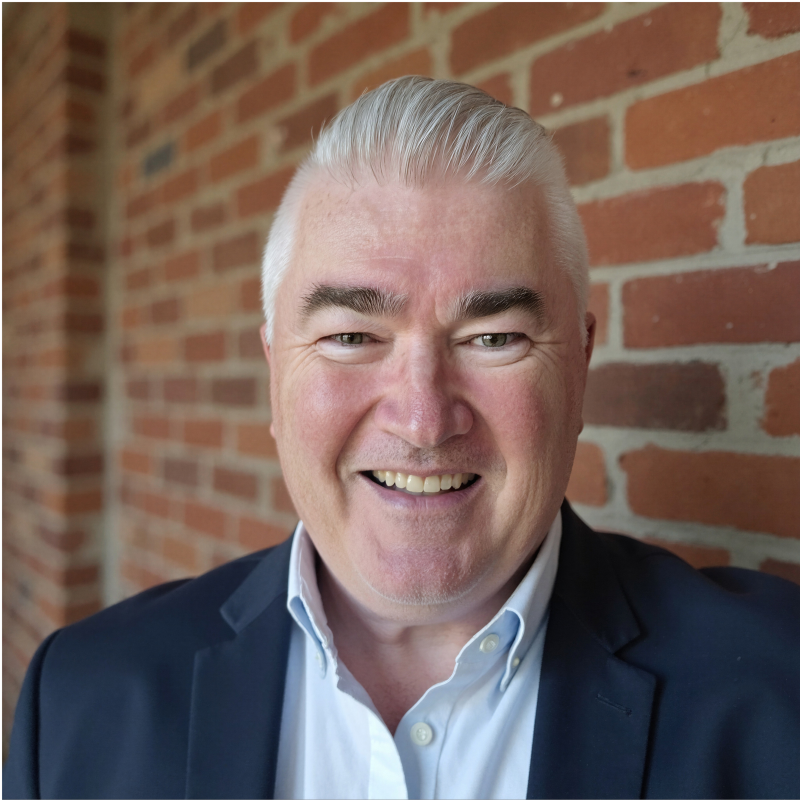
Joe Lynch is the host of The Logistics of Logistics podcast, which shares insights from logistics and supply chain leaders on innovation, technology, trends, and the future of freight. Before podcasting, he consulted to large shippers on selecting and managing logistics providers, and as COO he ran a 3PL focused on LTL and truckload shipping. Learn more about Joe Lynch.

Judi Hays
Judi Hays is a personal brand strategist, executive positioning advisor, and LinkedIn expert. She positions experienced professionals and leaders of established, expert-led B2B consulting and professional-services firms for visibility, authority, and decision-maker conversations. Learn more about Judi Hays.
Show Transcript
This transcript was generated from the episode audio and lightly edited to remove filler words and obvious repetitions. It may contain transcription errors.
Joe Lynch:
Welcome to The Logistics of Logistics, a podcast dedicated to exploring how things get places and the people who get them there. Hello, friends. My name is Joe Lynch, and thank you so much for joining us today. Today's topic is winning on LinkedIn with my friend Judi Hays. How's it going, Judi?
Judi Hays:
Fantastic, Joe. How are you?
Joe Lynch:
Good. Judi and I were just chatting about the whole world of marketing and the logistics business, so it has been a good conversation. Judi, please introduce yourself and your company.
Judi Hays:
My name is Judi Hays, and my company is Judi Hays, Inc. I'm a LinkedIn marketing strategist, and I work with B2B companies, helping them master LinkedIn.
Joe Lynch:
Excellent. The way I connected with Judi was probably six months ago. Judi works with JBF Consulting, though she doesn't work for them, and she creates some really good content. She created a list of all the logistics podcasters, and I was on it. The only thing I like more than listening to my own voice is seeing my name written down on lists. We'll talk about that in a minute. Judi, who do you serve besides JBF Consulting?
Judi Hays:
I work with professional service companies. Think of professional services as technology, commercial real estate, security, fintech, and staffing firms. If they're selling a professional service, those are my clients.
Joe Lynch:
Most of the people listening are in professional services. Before we get into the topic, tell us a little about you. Where did you grow up, where did you go to school, and what were some career highlights before you started Judi Hays, Inc.?
Judi Hays:
Oh boy, it goes way back. I'm a Brooklyn native, though you wouldn't know it from the way I talk, because I've lived in a lot of different places, including California, Texas, and West Virginia. I grew up on Long Island, and I studied at the School of Visual Arts while working my day job at an advertising agency. You could say I learned on the job, because it was brutal working in advertising. I learned so much working in direct marketing. I worked on the ads on the back page of Parade magazine for the book club, where we tested offers like four books for a dollar. That was my entry into target marketing, and it has become fundamental to what I use in my business today.
Joe Lynch:
Very nice. Where did you go from there?
Judi Hays:
Well, if you can make it in New York, you can make it anywhere. After seven years in the ad industry, I'd had it with New York, and I moved to San Francisco and started working in the restaurant industry, in restaurant design and restaurant marketing. I worked with a fantastic company that had fabulous restaurants up and down the coast.
One of the things that happened before I left New York was that I produced an exhibition for the New York Art Directors Club called A Banquet of Good Taste, which was a collection of menus. I was studying public relations at the time, so I did the PR for my exhibit, and a publisher contacted me and asked whether I could take that exhibition and put it in a book. Being a risk taker, I figured, what the heck, why not? I said sure. I didn't know what I was doing, which is pretty much true of anything I've ever done. I figure it out, and you have to get on your feet quickly. I'll never forget the day I got that hardcover book in my hand. I was in the elevator and I screamed so loud. It was like, oh my gosh, this is real. From that point, I wound up publishing 12 books with that publisher, on menu design, restaurant design, and shopping bag design. The last one was the year my daughter was born, and I stopped there, because anyone who has had a child knows that publishing a book is a similar experience.
San Francisco is very much a food town, and I was involved with the industry, including judging for the National Restaurant Association. But when my daughter was born, that was another pivot in my life. I moved for a very short time to West Virginia, and then to Texas. In Texas, while she was in school, I worked part-time at Michaels, the arts and crafts store. It quickly became more involved. I ran the classroom, and it turned out our classroom at the West Lake store in Austin became a top performer in revenue. Headquarters wanted to know what we were doing in Austin, and that got me doing a monthly segment on a local TV show. I was called the Crafty Crafter.
When my daughter was in school full time, I decided to go back to work, and I started working for the Austin Chamber of Commerce. It's not your grandfather's chamber. It's very progressive, and we worked on a lot of economic development, bringing people to relocate to Texas. That's where I fell in love with LinkedIn, because there were all these businesses that wanted help from the Chamber. That was from around 2011 to 2014. I worked with all the members and taught them how to use LinkedIn, running monthly workshops. I got really good at it. I basically taught myself LinkedIn, and that was the beginning.
Joe Lynch:
Ten years ago, I met with my local chamber of commerce and said, you need to get more on LinkedIn. They weren't using it. I said, this is what replaces you. That got their attention. I don't think chambers are going anywhere, but LinkedIn is stiff competition, because it lets you connect with customers in a way that chambers traditionally did. So when, and why, did you start Judi Hays, Inc.?
Judi Hays:
The truth is, and take it for what it's worth, I'm genetically unemployable. Working for somebody just wasn't in my genes. I'm a one-person band, and I run my own show. When my daughter went off to college and my mom had passed away, after she lived with me for the last few months of her life, I asked myself what I wanted to do. That gives you a wake-up call. You realize nothing is forever. I asked myself what the heck I was doing in Texas. I missed the Sunday dinners and all the fun everyone was having back in New York. I come from a large Irish Italian family. So I moved back to Brooklyn and took a job with a restaurant group that only lasted a couple of months. Then I started helping advertising agencies with their online marketing, and a couple of people said, can you help us with LinkedIn? One thing led to another, and I thought, wow, maybe this is real. In 2019, I formed a corporation, which made it really real. Since then, I've been working with professional service companies. I have about five or six full-service clients now, and I have a team of people with certain expertise that I tap into. I don't have employees.
Joe Lynch:
Now let's segue into the topic, winning on LinkedIn with my friend Judi Hays. Judi literally wrote the book on LinkedIn, so talk a little about your book before we get into how we actually win on LinkedIn.
Judi Hays:
I believe everyone has a book inside them at some point. There are a lot of books on LinkedIn, and honestly, they all say the same thing: do your profile, do this, do that. I wanted to approach it a little differently, so I came up with the concept of Elevate, Expand, Engage, which is really the premise of LinkedIn. It's kind of like a three-legged stool, and you need all three legs. One part is that you need to have a profile. Without a profile, you're nothing on LinkedIn.
Joe Lynch:
I say this all the time to young people: you need a better LinkedIn profile. You need a picture. So often, when I meet somebody with a great big personality, I look at their LinkedIn profile and think, somewhere between your great big personality and this knowledgeable person I know, they lose something. The only thing boring about you is your LinkedIn profile. I've also run across older guys recently on my podcast who have been at their company for years and don't have it on their LinkedIn profile yet, and their 1975 picture isn't doing it either. My picture is too old on LinkedIn, too. It's not just ego, but you need a good LinkedIn profile, and it needs to be updated and lively.
Judi Hays:
Think of it this way. When we go back to in-person events, do you go there in your yard-working clothes, disheveled? Some people may, and that's fine, but LinkedIn is a professional forum and a professional network. You want to show up at your best, because you're trying to create authenticity and credibility. I used to have a spiky haircut and a great photo. Then I'd go to events, and people would give me a double take, because my hair was long and I didn't look like the photo anymore. It occurred to me that they were looking at my LinkedIn profile and then meeting me for the first time, and there was a disconnect.
Nobody likes their picture. You look at it and think, I'm too fat, I'm too old, I'm too gray, whatever your issue is. I had a great professional picture, and once I put it up, people reached out and said, I love this picture, it completes the profile. So you do need a good profile with a good picture.
Joe Lynch:
Let's switch gears. You have this three-pronged approach: Elevate, Expand, Engage. Let's go through each one. What do you mean by Elevate?
Judi Hays:
Elevate starts with your profile. You want to elevate your appearance and your visibility on the platform. The other part of elevating is that you want people to notice you, and that's through your content, the kinds of things you share, and awareness. That's the first part.
Joe Lynch:
I'll use your good example. You work with the JBF Consulting team, who help big companies select and implement transportation management systems and get the most out of them. When you started working with them, you definitely elevated them, because all of a sudden they had good content. I think the way we connected was through the list you created of all the logistics podcasters. How many names were on that?
Judi Hays:
It started with 30. I did it about a year and a half ago, and now there are 60.
Joe Lynch:
What's interesting is that you elevated them by creating what I'd call cornerstone or foundational content. It's kind of brilliant, because as soon as you did that, every podcaster like me reached out and said, I appreciate being on that list. Now they have the opportunity to be on 60 podcasts. It's a little bit of quid pro quo, but it definitely elevated them, and we can all do that.
Judi Hays:
When you're creating content, the most important thing is knowing who you're targeting. First, who do I want to reach through the content? Then understand the problems, challenges, or pain points that audience is facing. What is relevant to them? If I'm talking with somebody about something that isn't relevant to them, they get glassy-eyed and won't pay attention. But if I hit a nerve and get their attention, they want to know more. That's how I use content: as a breadcrumb. Never lead with the solution you're providing, because that's selling. You want to be relevant and lead people to the solution by demonstrating that you understand their problem.
Joe Lynch:
And this applies to your business, but it also applies to you, because we all have our own brand. You might say, great, but how am I going to create content? I'm already busy.
Judi Hays:
You can share other people's content that's relevant, and add a paragraph of your own. If you work in the pharmaceutical area, follow some people who are creating great content and share it. Occasionally you can write an article, or do a podcast or a webinar, but in the meantime you can share other people's expertise with your audience and add your two cents.
Here's a case in point. Someone on the JBF team put together an article on the break-even cost of operating a commercial truck. We took the American Transportation Research Institute's data, updated it, and created a really cool infographic. That post got the most reach, shares, and engagement of anything we've posted. It had a few pieces to it. One, it had relevant data, and people love data points. Two, it had a shareable graphic, which was picked up by an influencer in the industry, and that's when it went viral. And three, it gave people an opportunity to engage. If a post gets engagement early on, it generally continues. I had never seen this before, but two and a half weeks into the life of that post, it continued to get more reach and visibility. I don't care about big numbers. I want relevant numbers, so I look at who is looking at that post and whether I'm reaching the right target. Then I use that information to further engage with the people engaging with the content.
Joe Lynch:
Getting back to it, we have to make sure our own personal profiles are up to date. And not only personal profiles. One of the things that drives me crazy lately is people who have a company profile somewhere that is out of date. I've seen profiles that say CEO and founder of a company, but they haven't connected the company page to their LinkedIn profile, so I can't click through to see the company. Is it a big company or a small company? As I've said on this podcast, it's FUD: fear, uncertainty, and doubt. We're all trying to avoid putting FUD into our deals, and outdated profiles and broken links create it. Someone told me he was a small parcel expert, and while we were talking I pulled up his LinkedIn profile, and it said he sold insurance. He said, oh yeah, that's my old job. I told him, no offense, but how do you say you're an expert in something you've been doing for a year when it isn't even on your LinkedIn profile, and your profile doesn't have a picture? If you put just a speck of fear, uncertainty, and doubt into your deal, it's gone. There's a hierarchy in our brains: when I see something written down on LinkedIn, that's what I believe.
Judi Hays:
People sometimes don't realize they have to connect to a company page, and I've heard people say, I don't need a company page. You definitely do. Moz ranks credibility on websites, and LinkedIn holds about a 99 out of 100. If I typed your name in a search, your profile is probably going to come up second, maybe third, maybe first, but it's going to rank pretty high. If you have a company page that's properly filled out, that gives you another opportunity to show up. Don't kid yourself: people do about 80 percent of their search and due diligence before they're willing to have a sales conversation. They're searching you, looking at your profiles, and searching for keywords. The more opportunities you have to show up, the less money you leave on the table.
The second part of the equation is Expand. First you elevate and become visible through your profile and your content, and expanding is about your network. The number one most common thing people haven't done in a while is download their database on LinkedIn. They say, I don't even know how to do that. LinkedIn published a statistic last year that 20 percent of people change jobs every year. I knew Joe back in the day when you worked in automotive, and I didn't know you had a podcast. Oh my gosh, now I see that. Re-engaging with your existing network is probably one of the best ways to get a quick win, in terms of a referral, an opportunity, or just goodwill. When I used to commute on the train to New York City from Long Island, I would go through magazines, find articles, tear them out, and mail them to people. That was my old-school networking, and through that I built a really solid network. I'm not saying send people random junk on LinkedIn, but stay in touch: how are you doing, it's been a while, I like your new picture.
The second part of expanding is growing your network. People say, I only connect with people I've met. In today's virtual world, you have to expand that concept to people who are relevant. Maybe they're speakers at a trade show, or people who have engaged with your content, or guests on a podcast you've heard.
Joe Lynch:
I've seen people post something like a survey, and then there's a little discussion, and I say, hey, great post, Judi, and it's natural that I would connect with you. I've never met you in person, but I liked your comments. Even if I argue with you, like, great point, but what about this? This is a professional conversation, and the world has changed. Those professional conversations happen digitally, and we're hundreds of miles away, but there's no reason we can't connect and eventually turn that into a phone call.
Judi Hays:
One of the common things I help my clients overcome is fear. They say, I don't know what to say, or I don't want to appear misinformed, or I don't want to say the wrong thing. There are two powerful things on LinkedIn: the edit button and the delete button. I've put some things out and then thought, I really shouldn't have said that, so I delete or edit it.
The third part of Expand is nurturing your connections. That's listening to your podcast, Joe, and saying, I love that interview you did. Or maybe I endorse you for a skill in logistics. It's a random act of kindness, or just a way of nurturing to stay top of mind, because when somebody has a problem, you want to be the one they think of.
Joe Lynch:
You mentioned endorsing someone for a skill. Endorsements and recommendations used to matter a lot, and I don't think they seem to matter at all anymore.
Judi Hays:
LinkedIn is driven by an algorithm, and depending on how people use it, when you have skills where you're ranking 99 plus, chances are the algorithm will deliver a higher ranking when someone is searching. I'm not saying go endorse people for random, irrelevant things. But if you do logistics podcasts and I've heard you do it, and I want to trigger a notification to you, it's a passive way of engaging. If I endorse you for that skill, three things can happen. One is nothing, and you ignore it. The second is that you see the notification and say thanks. The third is that you see it, say thanks, and endorse me back, and now we have an engagement. Whatever trigger you can activate to spark an engagement is an opportunity for a conversation, and that's what you're looking for on LinkedIn. It's not "Joe, I want to sell you this new service." It's "Joe, I loved what you said on that podcast, and I just endorsed you for that skill. Keep up the great work."
Joe Lynch:
So getting back to Elevate, we're talking about getting that profile updated, and if you did it professionally five or seven years ago, it's time to update it again. Creating and sharing content is another way to elevate your position. Then we expand by having conversations, by endorsing people and getting endorsements, and by re-engaging with people. If 20 percent of your connections switch jobs every year, you need to take a look at what's going on with them. Did I miss anything on Expand?
Judi Hays:
No, that's Expand. These are all interwoven. Just like that stool, if you're missing one of the legs, you're lopsided.
Judi Hays:
The third part of that equation is Engage, through content, through messaging, and through introductions. You're really good at that, Joe. You're a consummate networker, because you're there to say, let me facilitate this introduction, I think you would enjoy talking with this person. That's so important, because here's where people miss it: they don't treat LinkedIn the way they would treat real life. I published an article in Forbes a month ago about the different types of people on LinkedIn. There are the lurkers, who are looking in from the outside. They look at the feed and at profiles, but never post or do anything. There's the blackjack dealer, like the person at an event dealing out business cards, and you think, oh my gosh, stop it. And there's the over-sharer, who shares stuff that's private, inappropriate, or just ridiculous. I saw a poll that said, pick your favorite type of chicken, and each option had a chicken leg. To me, that's noise in the feed.
Joe Lynch:
The world has changed a lot, even before the pandemic, and the pandemic accelerated some trends. We're now in each other's homes over Zoom calls. I've seen coworkers in their pajamas and heard their kids and dogs. Now I see people sharing things on LinkedIn that would once have been inappropriate, like stories of addiction or trauma. If it's done right, I think that's nice, but sometimes it feels like too much information. There's a tone to it.
Judi Hays:
There are a lot of bots and fake profiles on LinkedIn. It's a fact that out of the 765 million profiles, a bunch are duplicates or fake. But you can now filter out the kind of content you don't want to see. There are three dots at the top of every post, and if you click on them, you have options to unfollow people, unfollow content, or tweak your feed. I recommend that to everybody: fine-tune your feed, because right now LinkedIn has gone from somewhat noisy to moderately noisy.
I'll give you an example of a post I made last week. My daughter just turned 26, and I posted, "No experience, no qualifications, I got the job." I showed a picture of her when she was a year old, and then one from the last time we were together on the Brooklyn Bridge. The point was that this was my most challenging job to date. It took something personal, not private, and put it out there so people know, yes, I'm a mom, and yes, I struggle with things like everybody else. That type of content performed really well. I don't put things out just to perform well, but it gives people a little glimmer of who the person behind the stage is.
Joe Lynch:
When we were prepping for this, I said I was going to ask where you grew up and what kind of kid you were, and you said, they don't care about me, they care about outcomes. I think that's true, but I do care, and I figure other people care. There are a million marketing people, and knowing where you're coming from tells me something. I think it's fine to share that kind of stuff, but there's a tone you want to get right. Sometimes it comes off as self-congratulatory: look at me, I'm a survivor. It adds nothing. Your post about your kid shows that you have people in your life you're close to, and that makes sense. Stuff that shows I'm real matters. On my podcast I talk to a lot of founders, and they talk about failure all the time: I did this and it failed, I had the wrong partner. Somehow they're successful anyway. None of them say, look at me, I'm a winner across the finish line.
Judi Hays:
I think there's a risk factor, and in business today you need to be agile and you need to fail a lot, because if you're not failing, you're not taking risk, and if you're not taking risk, you're not growing. Ten years ago, if you shared something personal on LinkedIn, people would ask what you were doing. Now it's much more acceptable, but there's a tone to it. Ask your husband, ask your wife, ask a friend, is this too much?
Joe Lynch:
Or ask yourself: say you're at an event in real life with your top prospects. Would you say that on stage? If not, you've answered your question. People do things online because they have a different persona online, and that's not authentic.
Judi Hays:
Exactly. Put it in real-life terms.
Joe Lynch:
So when you talk about Engage, the third piece, what do you mean? I know one thing I don't want to be engaged by, which is random messages from people I've never heard of who have nothing to do with me. They say, hey, I'm engaging. You decide to engage.
Judi Hays:
That's where relevance comes in. My email inbox and my LinkedIn inbox are out of control. It comes down to how people approach you. If they lead with their solution right away, it's a turn-off. When you want to engage, make it important to the person you're engaging with. What's in it for them? If we met at an event and you asked me to tell you about myself, my response would be, Joe, I could talk to you all day about myself, but I'd like to know about you. Then you start talking, and now I can say something relevant, because I understand a little more about where you're coming from. That's the part of engaging that's really listening and paying attention to what matters to the person you want to engage with. That's true engagement.
Joe Lynch:
Extending that one step into the sales call, when I meet somebody, I don't just go on blast about what we do and how we're going to solve their problems. You get to know them a little and ask what challenges they're going through, what the biggest problem is, what keeps them up at night. We need to treat LinkedIn engagement more like real life. I don't walk up at a conference and go on blast.
Judi Hays:
And nobody should be selling on LinkedIn. If that's why you're on LinkedIn, you are really annoying. People go to a sales or marketing training and someone says, you need to get on LinkedIn, you don't need to cold call. What they've done in some cases is bring a cold-calling mindset to LinkedIn: here are 85 people who have podcasts, I'll copy and paste the same message to all of them. Or there are a lot of LinkedIn experts, in air quotes, who will sell you some type of automation and say they can get you thousands of leads. That's going to get you in trouble and get you suspended. And your picture is attached to your profile, so when you behave badly, you've just damaged your reputation.
Joe Lynch:
There was a company in truck parts, years ago, and I got a message from a really beautiful woman, and I don't buy truck parts, but I paid attention. The next day, I got another message from the same company, from another beautiful woman, and I thought, something's up here. I looked, and that company had about 30 profiles that were all very similar. As you looked at the experience, these were basically stolen photos, models or actresses. They had realized that most people who buy truck parts are probably men, so they created 30 profiles. They probably outsourced it, and someone on the other side of the world copied and pasted to make all these profiles. They've reduced their brand to the lowest common denominator, and they hurt themselves badly with that. It's the same as spamming, where you wonder what kind of company does this.
Judi Hays:
It takes a long time to build trust and credibility, and it takes seconds to break it. Reputation is everything.
Joe Lynch:
It really is.
Judi Hays:
The thing about LinkedIn is that yes, it's virtual, but there's a real component to it. My goal on LinkedIn is to get people offline, like you and I are on this call. Convert it to a phone call. By the way, we had multiple phone calls before we decided to do this. That's what you want to get to.
A lot of people say, I need to get on LinkedIn, but they don't have a strategy or a plan. They're hot and heavy, putting out all this stuff, and then they disappear. So start with a plan. With the JBF team, one of the founders said from the beginning, I'm in this for the long game. I know I need to build a brand, visibility, and credibility with my audience. So we clearly defined who that audience is and its various nuances. Then we look at the problem, the root cause, and the impact, and create content that is relevant and appropriate for that audience. They have a great sense of humor, and when there's engagement, that's the team doing it, not me. I just create the posts, and the team engages and responds to comments, which gives people a little flavor of who you're working with.
Joe Lynch:
This is a perfect example of how it can work. I met JBF because of the list. I saw that I was on it, and I connected. First I interviewed the two founders together on my podcast, and I thought they were great and filled an interesting niche. Later I interviewed each of them individually, and then I finally met you. Along the way, I introduced them to some people, and one of them wrote me back and said, I'm going to work with them. That's the magic of LinkedIn: it has a lot of these magical moments. That's the best sale you can ever get, because they know you and then they came to you.
Judi Hays:
It happens with other clients, too. I have clients who have been guests on podcasts, and their prospects have reached out because they heard the interview. I have another client where, before trade shows went virtual, back in 2019, we did a survey asking whether trade shows were still relevant, and we created some amazing content out of that, with some really good quotes. When everything went virtual, we took it a step further and asked whether they were still relevant and whether people were doing virtual. Again, we're always looking at the solution and at how the content can underscore it. You want to educate your buyers to be better buyers of your service.
Joe Lynch:
Increasingly important in sales is the dark funnel. It's where buyers aren't on your website, but they're consuming your content on social media and listening to you on podcasts. They're lurking, outside your visibility. As marketers and salespeople, we love it when somebody downloads a white paper and we can hit them with ten emails over six months. But that's not how human interaction works. The dark funnel is more like, I heard that guy on a podcast, I liked it, or I went to his webinar but wasn't ready to buy, and I connected with him on LinkedIn. Then when my contract for my 3PL came up, I added him to the list, because of the exposure over the last six months, three months, two months, one month. When they show up ready to buy, they're 80 percent sold, and you wonder where they were. They were consuming your content on social media, podcasts, and webinars.
Judi Hays:
The buyer's journey is not linear. The funnel was one concept, and we love the idea of it. HubSpot changed it to a flywheel. I have a chart here from Gartner about the buyer's journey, and it's a mess: all the touches a buyer and a salesperson go through before the buyer makes a decision.
Joe Lynch:
Ask yourself how you buy. Look at how irrationally you buy. At the grocery store, you say, I can buy generic beans because it doesn't matter, and then you say, nope, I always buy Windex because it's better than the store brands. It's a weird, irrational journey. We have to realize that and be more human, even on LinkedIn, and get that online conversation to a phone call or a Zoom call.
Anyway, I know I'm losing you at the top of the hour, so I'm going to summarize while you put a bow on this. We talked about winning on LinkedIn with Judi Hays. I highly recommend her book, and I'll put a link in the show notes. It's a three-pronged approach. Elevate: get your profile and appearance in order, and create content to position yourself as a subject matter expert. Expand: grow your network, not only the numbers but the depth of those relationships. And last but not least, Engage, engage, engage. So, any final thoughts on your new book and what you do for companies?
Judi Hays:
I'm on a mission, and my mission is to help professional service businesses use LinkedIn to market their service and create opportunities. Everyone knows they need to be on it, but they don't have a plan and don't know what to do, and that's where I can help. I work with decision makers at professional service companies, generally in the $2 million to $10 million range, but I do train teams and work with larger companies, and I work with individuals from time to time. My clients are in supply chain, commercial real estate, physical security, and SaaS. It's all B2B. I don't do B2C, and honestly, I don't like it. LinkedIn is my gateway drug. Most of my clients are getting other services from me, but when you start with business-to-business marketing, LinkedIn is definitely the entry point.
Joe Lynch:
I can attest to what you've done for JBF, and it doesn't feel forced or inauthentic. It feels real and it makes sense, and that's what we all want. We try different things, and I'll be the first to admit some don't take off.
Judi Hays:
You have to be willing to try things, and I do a lot of testing. It's not all in, where we send something out to 50,000 people. I test a lot, and it's important to have the mindset that if it doesn't work, we haven't damaged our reputation. We just put our toe in the water and tried something different. My clients are very open to that. If a client is very rigid and afraid of trying things, they're probably not a good fit for me.
Joe Lynch:
You have to pick the right clients, too. In digital marketing, people often say, I don't want your pretty content, give me leads, give me leads, give me leads. Marketing-generated leads and marketing-qualified leads are great, and we all want them, but you have to get the idea of a magic potion out of your head. You have to earn it, and that's what we're talking about. It's all about relationships.
Judi Hays:
Even if you're selling a commodity, like managed service providers. I have a client in the IT space, and it's tough to sell something that's a commodity, but there's a way to help the buyer be a better buyer. Maybe you're tapping into cybersecurity, or remote work. You have to find the angle or edge that sets you apart, and then educate that buyer.
Joe Lynch:
Anytime anyone says they sell a commodity, I say that when I was growing up, the ultimate commodity in 1980 was coffee. You couldn't charge for coffee, and the quality went down every year for the big companies, because no one would pay extra. Then Starbucks and others changed the world, and now people pay somewhere between two and eight dollars for a cup of coffee. Telephones were the ultimate commodity, too, and now people sleep in the streets overnight to get the new phone before everybody else. You can reinvent spaces, and you should. If you find yourself thinking you're just a commodity, you need someone like Judi who says, I will get you out of that.
Anyway, Judi, I know I'm over time. I'll put a link to your LinkedIn profile and a link to your book, and if you give me that Forbes article, I'll put a link to that. I'd also like the list of podcasters in the show notes, just because I'm on it. If you guys want to reach out to Judi, that's the best way to do it, and we'll put a link to her website, too. Judi, thank you so much.
Judi Hays:
Joe, you are a delight to talk with. I feel like I know you already.
Joe Lynch:
You did know me already. Thank you all for listening to my podcast. Your support is very much appreciated. Until next time, onward and upward. You've been listening to The Logistics of Logistics podcast, where we engage in conversation with experts in the logistics field. For more details, visit thelogisticsoflogistics.com, or follow Joe Lynch on LinkedIn.
FAQs
Judi Hays starts with a plan. Decide who your audience is, what problem you solve for them, and commit to the long game, because people who jump on LinkedIn without a plan tend to disappear. Then build the strategy on three parts that work together, called the Triple-E Method: Elevate your profile and content, Expand your network, and Engage with the people in it.
She defines the audience and its nuances first, then looks at the problem, the root cause, and the impact, and creates content that is relevant to that audience. Today, Judi helps clients build this kind of plan in her 90-Day Authority Intensive.
Judi Hays says you need a profile, a good and current photo, and up-to-date experience. LinkedIn is a professional network, so show up the way you would at an in-person event. If your photo no longer looks like you, people notice the disconnect when they meet you.
Also connect your company page to your profile. Someone who lists a role as CEO or founder but isn’t linked to the company makes buyers wonder what the company is, and outdated profiles and broken links create fear, uncertainty, and doubt. Today, Judi helps clients refresh their profiles in her Strategy Lab.
Yes. Judi Hays says LinkedIn ranks very high for credibility, so your profile often shows up near the top when someone searches your name. A properly filled-out company page gives you another chance to show up in a search. She also points out that people do about 80 percent of their research before they are willing to have a sales conversation, so the more opportunities you have to show up, the less money you leave on the table.
You don’t have to write everything yourself. Judi Hays suggests following people who create great content in your industry and sharing it with a paragraph of your own. Occasionally you can write an article or do a podcast or webinar, but sharing other people’s expertise and adding your two cents also works.
Know who you are targeting and what problem matters to them, and use content as a breadcrumb rather than leading with your solution. One post that combined relevant data with a shareable infographic became the most successful post for a client’s team. Today, Judi helps clients plan content like this in her Strategy Lab.
Download your connection database and look at who is where now. Judi Hays cites a LinkedIn statistic that about 20 percent of people change jobs every year, so people you haven’t spoken with may be in new roles. Re-engaging with your existing network is one of the best ways to get a quick win, whether that is a referral, an opportunity, or goodwill.
Keep it personal: ask how they are doing, say it has been a while, or mention something new you noticed. She also recommends nurturing connections through comments, congratulating people, or endorsing a relevant skill.
Judi Hays says they can still help. LinkedIn is driven by an algorithm, and skills where you rank highly can help you show up higher when someone searches. She doesn’t recommend endorsing people for irrelevant things, but endorsing someone for a skill you have actually seen is a passive way to engage. It sends a notification, and the person may ignore it, thank you, or endorse you back.
Any trigger that sparks engagement is an opportunity for a conversation, and that is what you are looking for on LinkedIn.
A little personal can help, as long as it is not private and the tone is right. Judi Hays shared a post about her daughter that gave people a glimpse of the person behind the profile, and it performed well. She warns against posts that read as self-congratulatory or that share too much information.
She suggests asking a friend or family member whether it is too much, or asking yourself whether you would say it on stage in front of your top prospects. If not, you have your answer.
Judi Hays says nobody should be selling on LinkedIn. If someone leads with their solution, it is a turn-off. Instead, make it about the other person: ask questions, listen, and respond with something relevant. Treat LinkedIn like real life. You wouldn’t walk up to someone at a conference and go on blast.
Her goal is to get people offline and onto a phone call. Educate your buyers so they become better buyers of your service, and remember that many prospects are consuming your content quietly before they ever reach out.
No. Judi Hays warns that automation tools and copy-and-paste messages to a long list of people can get you suspended, and they damage your reputation, because your picture is attached to your profile. She says some LinkedIn experts will sell you automation and promise thousands of leads, but they put your account at risk.
It takes a long time to build trust and seconds to break it. She recommends testing small, customizing each message, and putting your reputation first.